
Half-Orc Name Generator - Names for Characters Marked by Dual Heritage
Generate half-orc names for characters shaped by two lineages: the human and the orcish, as D&D codified them, and as contemporary fantasy has slowly complicated them. The half-orc has spent decades in fiction as a shorthand for inner conflict, the body itself read as a problem to be resolved. Writers like R.A. Salvatore and later the Critical Role team pushed against that, giving half-orcs interiority, humor, grief. The name a half-orc carries often reflects which parent named them, or which culture claimed them, or which they chose for themselves. This generator draws on that tension. Orcish syllables tend toward hard consonants and open vowels - Grak, Vorsh, Mhurren - while human names from the same settings run softer, more varied. A character named Karth Aldric sits differently in a scene than one named Tom Gragosh. Both are legitimate. Both say something about where the character came from and who decided. Use the results as a starting point. The best character names usually get worn in a little before they fit.
Half-Orcs in Fantasy Tradition
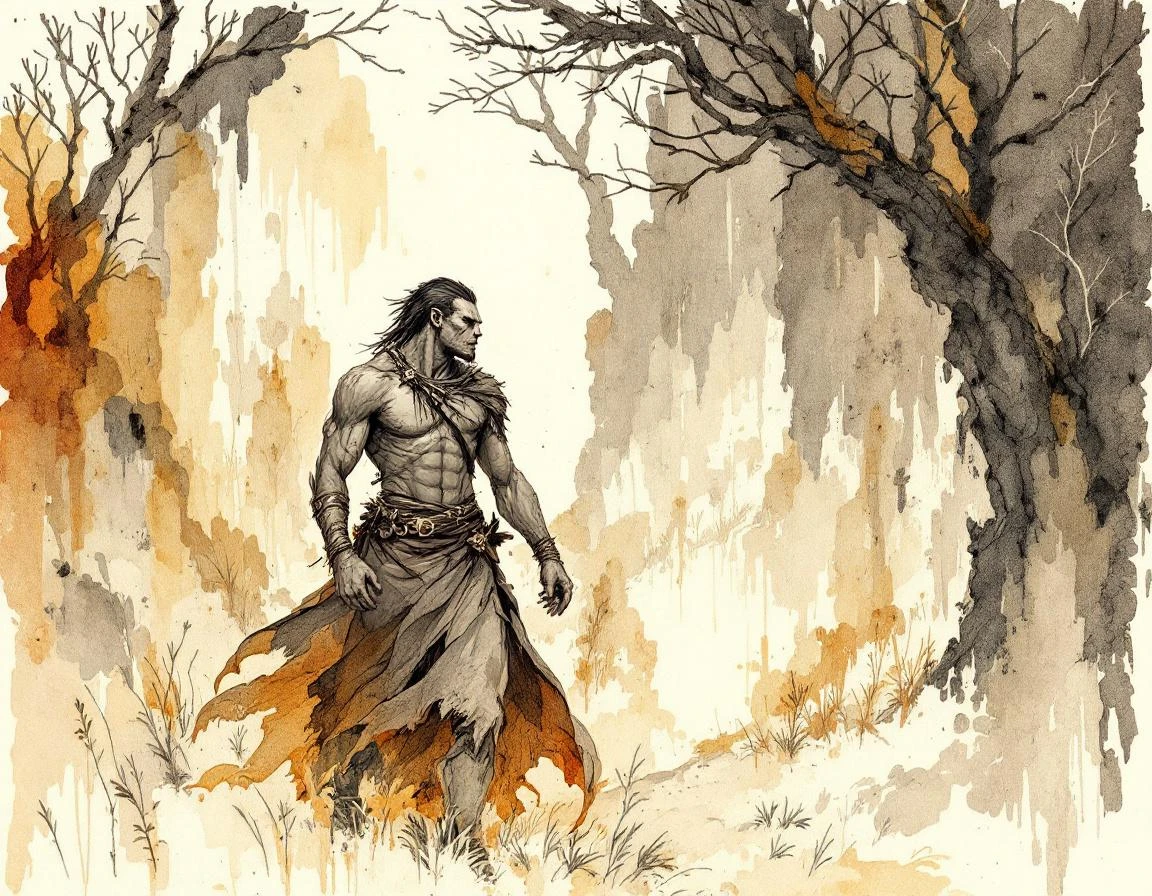
The half-orc occupies one of fantasy's most fraught character templates: a being marked physically by heritage that their community may consider monstrous, moving through a world that has pre-judged them before they've spoken. The original D&D treatment emphasized orcish heritage as a burden - greater strength and toughness traded against social acceptability and the implicit otherness of their appearance. Contemporary fantasy has complicated this, examining the racist undertones of "monster race" design and attempting to reclaim half-orc characters as complex individuals whose heritage is not their destiny. That reclamation is worth doing. But it's also worth sitting with the darker original framing rather than simply discarding it. The story of someone treated as monstrous by societies that fear their appearance, who has lived through that treatment and kept going, is its own kind of story, and not a lesser one. In Tolkien's legendarium, half-orcs appear but are barely characterized. They show up as Saruman's spies and shock troops, bred from orcs and men by corrupted craft rather than by any relationship. That origin - constructed, not born - makes them categorically different from the D&D conception, where the heritage, whatever its source, produces a specific kind of person living inside a specific social reality.
Half-Orc Naming: Two Traditions, Both Valid
Half-orc naming in D&D tradition tends to reflect which community raised them. A half-orc raised in orcish culture would have an orcish name: short, harsh, often an earned epithet or a descriptor tied to combat. A half-orc raised in human culture would have a human name from whatever regional tradition applies. Orcish names in D&D tradition - Dench, Feng, Gell, Henk, Holg, Imsh, Keth, Krusk, Mhurren, Ront, Shump, Thokk - are short, consonant-heavy, built on hard stops, often a single syllable. Functional rather than ceremonial. They identify without aspiration. Human names from any tradition can work for half-orcs raised among humans. The more interesting territory is the gap: a half-orc given a human name by a society that still treated them as an outsider; a half-orc with an orcish name who found acceptance among humans who cannot quite pronounce it but keep trying. The name reveals something about who actually welcomed this person versus who simply categorized them by appearance. For original settings where orcish culture is not primarily martial - communities with their own arts, philosophies, and ways of marking identity - orcish naming can depart entirely from the D&D terse-grunt convention.
The Contemporary Half-Orc: Reclaiming the Narrative
The most interesting contemporary treatments of half-orc characters reject the premise that orcish heritage is automatically "lesser" or "monstrous" and instead explore what it means to exist between two cultures that have been at war, carrying both in the body. This maps, without being clumsily analogized, onto real human experiences of being biracial, multiethnic, or of mixed heritage in communities that want you to pick a side. The half-orc who must decide how to present at a diplomatic negotiation - which name to use, which physical cues to suppress, which cultural allegiance to perform - is working through something real people recognize. For writers who want to engage with this complexity without exploiting it, the most important thing is to give the character an actual interior life about their heritage, more than a set of reactions to how others treat them. Their heritage is not only something to manage. It is part of who they are, and the parts that others find threatening may be exactly the parts they value most.
Using the Generator for Your Half-Orc Character
When generating half-orc names, the real question is which community raised this character - and whether they've chosen to keep that name or leave it behind. Renaming is a serious act, particularly for characters given an orcish name that human society couldn't pronounce, or a human name that orcish society read as a kind of disavowal. Think about the aesthetics of the specific orcish culture in your setting. If orcish society follows the traditional D&D martial-honor tradition, names will reflect that. If you've built something more layered - orcish merchants, scholars, mariners - the naming conventions will carry those different values and ways of moving through the world. For tabletop RPG context: the half-orc's D&D abilities (*Relentless Endurance* - returning from 0 hit points once per long rest; *Savage Attacks* - extra damage on critical hits) encode physical toughness and violence regardless of who the character actually is. A name that holds that physical reality while also pointing toward something beyond the stat block is what turns a character sheet into a person, even at session zero.
Agency over Arithmetic
Half-orc names need more thought than a human first name stapled to an orcish grunt. The character may be named by a human parent, an orc clan, a hostile institution, or themselves after leaving both worlds. Each origin leaves marks. Hard consonants can suggest orcish speech, but overdoing them turns culture into noise.
Agency Pressure
The name should show whether it was inherited, imposed, rejected, or chosen. Do not let heritage do all the thinking.