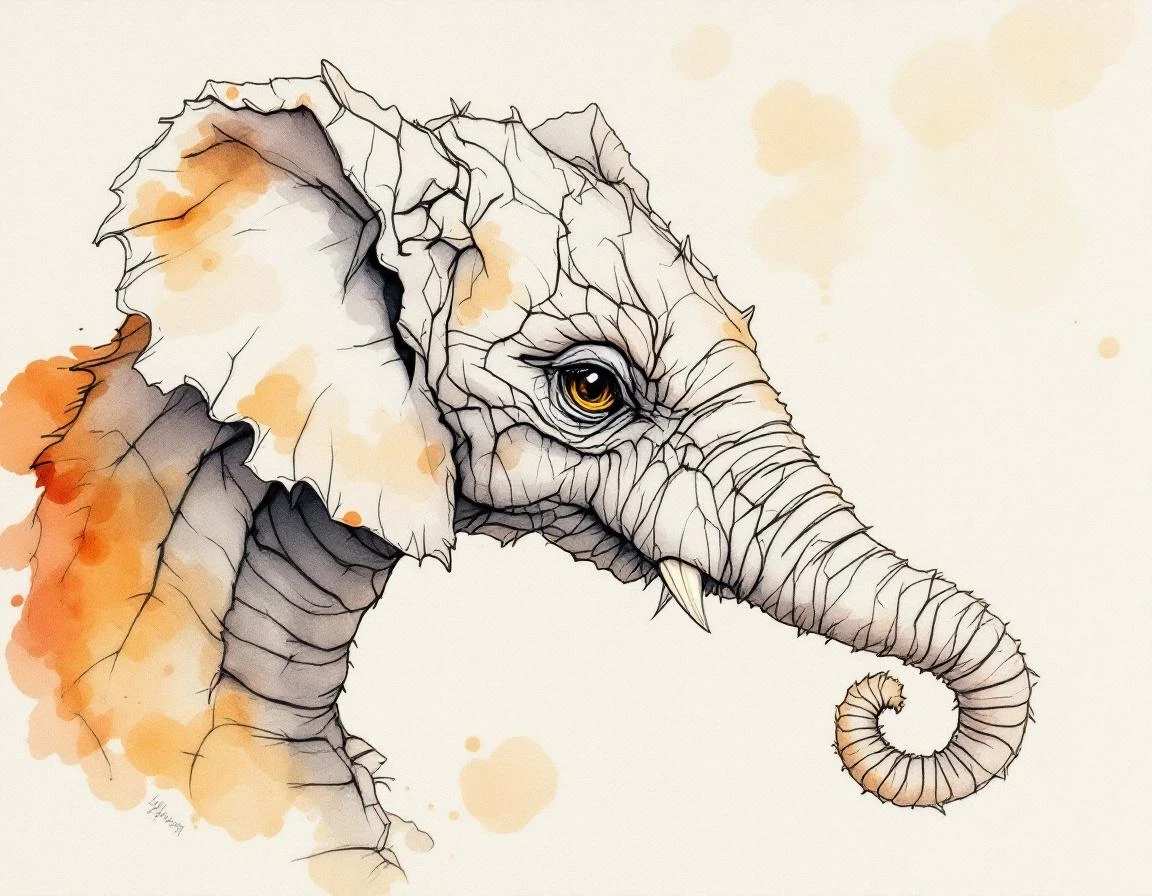


A South African Monster with Weight
The Grootslang comes from South African legend, often described as an ancient creature with elephant and serpent traits, hidden in caves and associated with diamonds or hoarded treasure. The name itself means "great snake" in Afrikaans, which gives writers both a gift and a problem. It is already plain and strong. A generated name should not compete with it by becoming overdecorated. Think in terms of caves, old greed, tusk, coil, stone, and the terrible patience of something that should have been unmade. Some tellings say the first Grootslangs were too powerful, so the gods split elephants and snakes apart; one escaped. That origin makes the creature feel like an error in creation, and the name should carry that wrongness.
Cave Pressure
The name should make greed feel unsafe. Keep the cave, the creature, and the treasure rumor in separate registers.
Sounding Large without Shouting
Grootslang names can use heavy consonants and low vowels, but brute force gets dull fast. The creature is not merely big. It is old, secretive, and intelligent enough in many versions to bargain, hoard, or punish greed. A name that sounds like a landslide may fit a cave legend. A name that sounds like a legal title may fit a creature worshiped or feared by miners. If the story is set near colonial diamond routes, naming becomes even more sensitive. Treasure language is never neutral there. The name can point at greed, extraction, and rumor without turning the creature into a simple metaphor. Specificity helps: a local cave-name, a miners’ nickname, an older title preserved by people who knew the place before the map changed.
Cave Pressure
The name should make greed feel unsafe. Keep the cave, the creature, and the treasure rumor in separate registers.
Using Treasure without Flattening the Legend
The diamond cave is tempting because it gives adventurers a clean motive. Go in, steal, run. The better story asks why the treasure is there, who named it treasure, and what the Grootslang thinks ownership means. A generated name might belong to the creature, to the cave, or to the warning carved on tools found outside. Those are different jobs. Creature names can be solemn or brutal. Cave names can be descriptive and local. Warning names are often short because fear shortens language. If the Grootslang has several names, let them disagree. The scholarly name may be wrong. The miners’ name may be greedy or damaged by superstition. The old local name may be the one that actually works.
Cave Pressure
The name should make greed feel unsafe. Keep the cave, the creature, and the treasure rumor in separate registers.
Keeping the Creature Distinct
Fantasy can easily turn the Grootslang into a dragon with a different silhouette. Avoid that. Dragons often dominate the sky, law, or royal imagination. The Grootslang belongs underground, where wealth, rot, roots, and old water sit together. Its name should feel close to stone. It should also leave room for silence. This is not a monster that needs to roar in every paragraph. A name whispered before entering a cave may be stronger than a title shouted in battle. Test candidates against a scene where someone lies about why they came. If the name makes the lie feel more dangerous, keep it. The Grootslang is at its best when greed has already entered the cave before the creature appears.
Cave Pressure
The name should make greed feel unsafe. Keep the cave, the creature, and the treasure rumor in separate registers.
Naming the Cave and the Creature Separately
A Grootslang story often needs two naming systems: one for the creature and one for the place people are foolish enough to enter. The cave may have a public name on maps, a miners’ name, and an older name that predates the treasure rush. The creature may have a title that sounds like a warning rather than a personal name. Keep those apart unless the setting has a reason to blur them. If everyone calls both the cave and the monster by one word, that can suggest the creature has become the place in local thought. Use low, heavy sounds for the creature and more broken, practical names for paths, shafts, pools, and chambers. Treasure should complicate the prose, not polish it. Diamonds in a Grootslang story are bait, evidence, and accusation. A good name can make the reader feel that before anyone mentions a gem.
Cave Pressure
The name should make greed feel unsafe. Keep the cave, the creature, and the treasure rumor in separate registers.
A Warning Name Should Travel
Test a Grootslang name as a rumor passing from camp to camp. It should survive bad memory. It should still sound dangerous when repeated by someone who has never seen the cave. Avoid fancy spellings that make the name look designed for a poster. The legend already has enough force. Use names that feel spoken by miners, guides, elders, and thieves, each shaving the word to fit their own fear. If the name can be carved quickly into a beam outside a shaft, it will probably work better than something that needs a pronunciation guide.
Cave Pressure
The name should make greed feel unsafe. Keep the cave, the creature, and the treasure rumor in separate registers.
Last Check before Choosing
If you need child creatures, cult titles, or rival cave legends, resist copying the main name with a smaller suffix. The Grootslang should feel singular unless your world has a reason to multiply it. A lesser cave serpent can have a plainer name. A cult title can be more reverent. A miner’s warning can be uglier. Those differences keep the legend from thinning out.
Cave Pressure
The name should make greed feel unsafe. Keep the cave, the creature, and the treasure rumor in separate registers.
A Final Naming Pass
A final test is greed. Put the name in the mouth of someone lying about why they came to the cave. If the name makes that lie sound thinner, keep it. Grootslang stories are about the creature, yes, but they are also about the people who believe treasure cancels warning. The right name should make the cave feel less like an adventure site and more like a place that has already judged the intruders.
Cave Pressure
The name should make greed feel unsafe. Keep the cave, the creature, and the treasure rumor in separate registers.