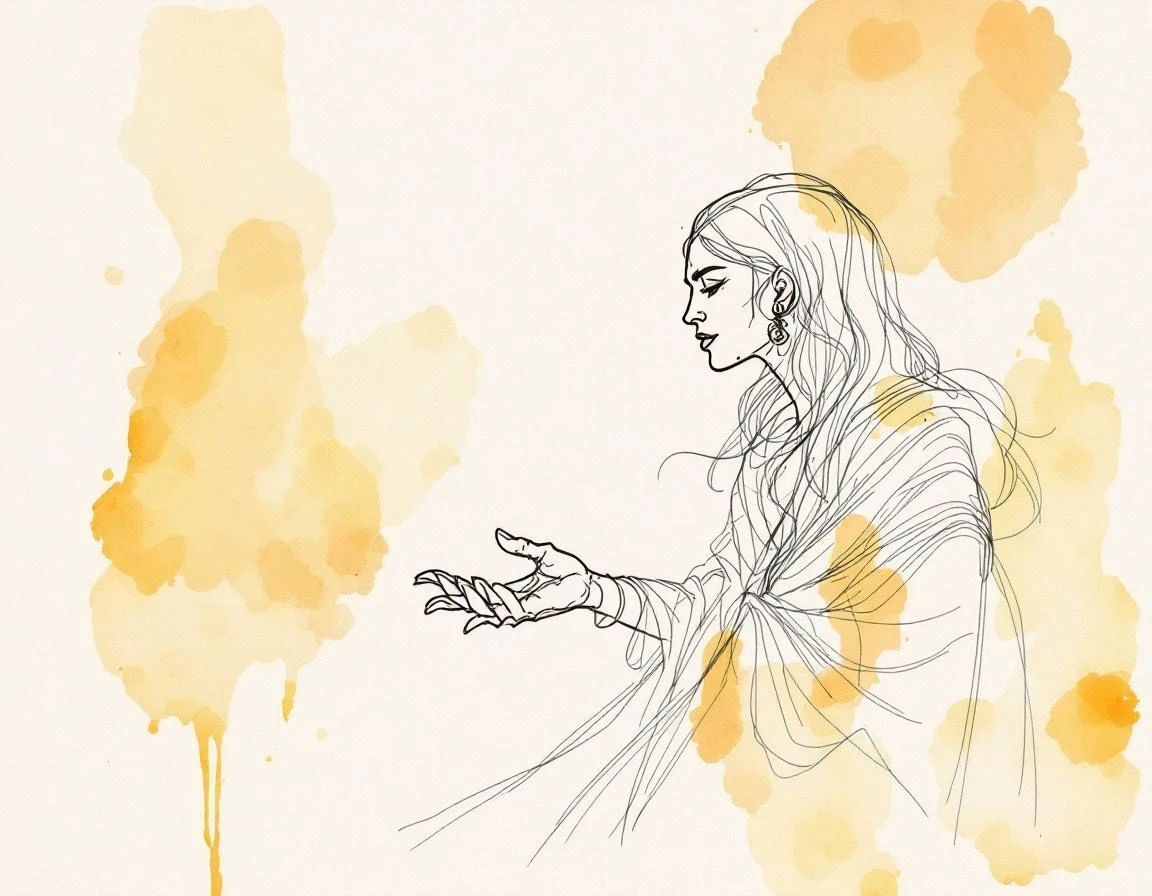

Genie Name Generator - Names for Djinn, Jinn, and Wish-Granting Spirits
Generate names for genie and djinn characters - from the classical Arabic jinn tradition through *One Thousand and One Nights* to modern fantasy - for fiction, RPGs, and worldbuilding rooted in one of the world's oldest supernatural traditions.
The Jinn in Islamic and Arabic Tradition
The jinn (singular: *jinni*; also rendered *djinn*, *djinni*, or the anglicized "genie") occupy a distinctive place in world mythology: they are not folklore embellishments but genuine theological entities in Islamic tradition, explicitly named in the Quran as a created category of beings parallel to humans and angels. Sura Al-Jinn (Chapter 72) describes the jinn hearing the Quran recited and converting to Islam - these are beings with agency, society, and moral responsibility. The Arabic word *jinn* derives from a root meaning "to be hidden" or "concealed." They are the invisible beings, running parallel to human civilization but outside ordinary perception. Created from smokeless fire (as humans were made from clay and angels from light), they have their own communities and prophets, can be faithful or faithless, and their dealings with humans range from the helpful to the genuinely dangerous. Pre-Islamic Arabic tradition was specific about types: the Marid were powerful jinn associated with water; the Ifrit (also Afrit) were jinn of fire and cunning; the Jann were jinn of the winds; the Shaytan were the faithless jinn who deceived humans; the Ghul - source of "ghoul" - were jinn tied to graveyards and the dead. Each type carries different naming conventions and a different relationship to humanity.
One Thousand and One Nights and the Fiction of Genies
*One Thousand and One Nights* - the great collection of Middle Eastern folk stories compiled across several centuries - contains the most influential fictional treatments of the jinn to reach Western audiences. Aladdin's jinni (added to the collection likely in the 18th century, possibly by Antoine Galland), Sinbad's encounters with supernatural beings, the genie of the ring in the lesser-cited tales: these stories handed Western readers a simplified, already-adapted version of Islamic jinn tradition, with the wish-fulfillment aspect foregrounded in ways the source tradition never quite intended. The "three wishes" convention and the "lamp/bottle" binding are not universal features of authentic jinn mythology. They're specific to the folk tale tradition encoded in *One Thousand and One Nights* and its subsequent Western adaptations. The actual Islamic tradition of al-jinn is far more varied: some jinn are bound to places rather than objects, some enter long-term agreements with humans rather than granting wishes, some cannot be compelled at all. For fiction writers, there's real territory between the Disney genie (pure wish-machine) and the full theological complexity of Islamic jinni. A jinn character with personal history, specific capabilities, relationships with other jinn, and opinions about the humans who summon them is more interesting than either pole.
Naming Jinn: Arabic Phonological Patterns
Arabic personal names have a distinctive phonological character: trilateral consonantal roots (three-consonant structures that generate whole families of related words), the 'ayn and hamza sounds absent from European languages, and a preference for names whose meanings are grounded in qualities - strength, brightness, faith. Historical and legendary jinn names worth knowing: Iblis, the jinni who refused to prostrate before Adam and became the Islamic counterpart to Satan; Hārūt and Mārūt, the pair mentioned in the Quran in connection with magic taught in Babylon; Marid, a class name that also appears as an individual name; Sitri, which shows up in European grimoires but carries Arabic and Middle Eastern roots. Female jinni names drawn from classical Arabic - Zubayda, Shirin, Farida - could belong equally to a human woman or a jinni of the court. For invented names in the Arabic tradition, pairing meaningful roots (*nur* for light, *badr* for the full moon, *qamar* for moon, *rih* for wind, *nar* for fire) with Arabic name structures produces names that feel culturally grounded without requiring direct transliteration of existing ones.
Using the Generator for Your Genie or Djinn Character
When generating genie names, decide first which jinn type your character belongs to. An Ifrit - fire, cunning, dangerous - needs a name with heat and sharpness to it. A Marid (water, scale, ancient) needs something that flows and carries enormous weight. A Jann (air, freedom, quick) needs something lighter, more mercurial. Consider the genie's history of binding. A jinn who has been bound for a thousand years has a different relationship to constraint than one bound last century. The name might carry that history: something once proud and freely given, worn down by centuries of captivity into something that feels like an obligation. For tabletop RPG characters, djinn work well as Warlock patrons (the "Genie" patron option in D&D 5e), as NPCs who grant quests in exchange for services, or as player characters from jinn-majority cultures. Match the naming convention to the power level: a djinn of cosmic scope needs a name that feels ancient and enormous; a lesser household jinn needs something more approachable.
More than a Wish Machine
Genie names should respect that djinn are not wish machines by default. Islamic and Middle Eastern traditions treat jinn as beings of smokeless fire with tribes, faiths, tempers, and legal standing in their own world. Decide whether the character is free, bound, tricked, noble, criminal, pious, or tired of human bargaining.
Binding Pressure
The name should show whether the djinn is free, bound, noble, criminal, or tired of bargains. Wishes are not the whole tradition.
Last Pass for This Page
A final check should put the name into a sentence where the creature or character changes the room. If the name only works as a label, keep searching. If it changes how the scene feels, even before anyone explains the lore, it belongs on the shortlist.
Binding Pressure
The name should show whether the djinn is free, bound, noble, criminal, or tired of bargains. Wishes are not the whole tradition.
Last Naming Check
One last genie check: decide whether the name has legal force. A bound djinn may have a summoner’s title, a court name, and a guarded true name that never appears in the lamp story. If the candidate only sounds like a wish dispenser, it has lost the older fire.
Genie Scene Check
Use this note to test the name in a real scene, where local speech and story pressure matter more than decoration.