Gargoyle Name Generator - Names for the Stone Guardians of Gothic Architecture
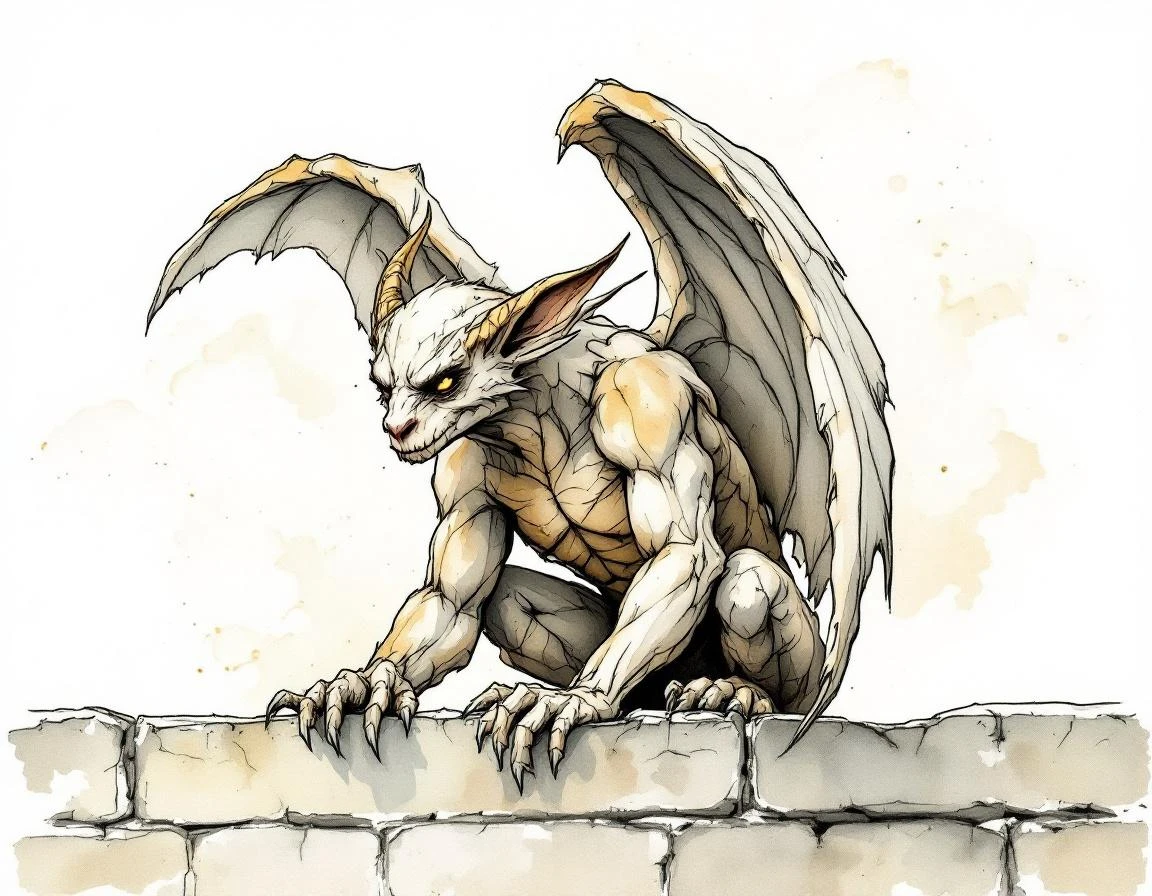
Generate gargoyle names for the stone-animated creatures of gothic fantasy: architectural guardians, grotesque protectors, the watchers perched on cathedral walls and tower parapets who wake when something threatens the building they've guarded for centuries.
Gargoyles in Medieval Architecture and Folklore
Gargoyles take their name from the Old French *gargouille* - "throat," cognate with the verb for gargling - because that is precisely what they do: they are carved stone waterspouts, positioned along the outer walls of medieval cathedrals to carry rainwater clear of the foundations. The grotesque forms (dragons, demons, hybrid creatures, distorted human faces) served two purposes. The frightening imagery was thought to ward off evil spirits. And the aesthetic was intentional: Gothic cathedral-builders understood the universe as containing both beauty and horror, and the church as a microcosm of the whole. Technically, "gargoyle" refers only to functional waterspouts; decorative carved grotesques that drain nothing are just grotesques. Popular culture has long since collapsed the distinction. "Gargoyle" now means any stone-carved monster, especially one that moves. The animated gargoyle - stone by day, alive by night - appears in scattered cathedral folklore, where carved creatures were said to protect the church from supernatural threats after dark. Disney's *The Hunchback of Notre Dame* gave the idea a comic spin with Victor, Hugo, and Laverne as Quasimodo's wisecracking companions. The concept got its fullest treatment in the animated series *Gargoyles* (1994-1997), which reframed them as an ancient species rather than enchanted architecture, turning the stone-sleep into biology rather than curse.
Gargoyle Naming: Stone, Architecture, and Gothic Night
Gargoyle names in fiction tend toward two traditions: names drawn from cathedral or architectural context (saints' names, Old French, medieval Latin, names that reference the specific building the gargoyle guards) or names drawn from the gargoyle's appearance and function (what they look like, what they do, what they ward against). Disney's *Hunchback of Notre Dame* named its gargoyles after famous Victors - Victor Hugo specifically - which suggests a third approach worth borrowing: names as cultural references tied to a gargoyle's moment of creation. A gargoyle named for the patron saint of its cathedral, for the mason who carved it, or for a historical event it watched from its perch carries character through architectural memory rather than physical description. For gaming gargoyles (D&D treats them as Medium elementals with a flying speed and a habit of sitting motionless on ledges until they don't), names drawn from the vocabulary of stone work well: granite, limestone, obsidian, quarry, chisel. So do names that encode the watching function, the long stillness before the strike.
Using the Generator for Your Gargoyle Character
When generating gargoyle names, the first question worth settling is who gave the name - the sculptor, the church, the people sheltering beneath it - or whether this is a tradition where gargoyles are self-aware and chose their own. Think about how old the gargoyle is and what it has actually seen. Five hundred years on the same cathedral wall means the entire history of the city below: wars, festivals, plague years, the deaths of monarchs, the arrival of new architectural fashions. That accumulated witnessing is the most interesting thing about a gargoyle. They are among the most stationary beings imaginable, and yet they have seen more than almost anyone. For animated gargoyle characters with active roles in fiction, the stone-by-day constraint creates a specific narrative rhythm. Everything must happen at night; dawn is a hard deadline. A character who has to accomplish something in a single stretch of darkness before returning to stone is working under a particular kind of urgency. The name should feel like it belongs to something that moves in darkness and watches in stone light.
Rain, Stone, and Eavesdropping
Gargoyle names need stone, weather, and architecture. The original gargoyle is a waterspout, so rain belongs in the naming somewhere. A cathedral gargoyle may be named by masons, priests, street children, or the thing itself after centuries of listening from the roofline.
Roofline Pressure
The name should know rain, stone, and eavesdropping. A gargoyle is often architecture before it is a warrior.
Final Naming Pressure
A final check should put the name into a sentence where the creature or character changes the room. If the name only works as a label, keep searching. If it changes how the scene feels, even before anyone explains the lore, it belongs on the shortlist.
Roofline Pressure
The name should know rain, stone, and eavesdropping. A gargoyle is often architecture before it is a warrior.
Final Fit Check
For a final gargoyle pass, ask who named the figure first. A mason may name it after a flaw in the stone. A priest may name it after a saint. Children may name it after the face it makes when rain pours through its mouth. The gargoyle itself, after a century of hearing all three, may prefer the rudest one. That kind of use gives the name mortar.
Gargoyle Pressure
Use this Gargoyle note as a scene test, not as decoration. The name should change how the character, creature, or local rumor behaves on the page.
Naming Detail That Matters
A gargoyle name should also account for weathering. Stone chips, soot gathers, saints are renamed, and whole neighborhoods change around a roofline that keeps watching. The name may be older than the parish dialect now spoken below. That small mismatch can give the creature age without another solemn speech.
Gargoyle Pressure
Use this Gargoyle note as a scene test, not as decoration. The name should change how the character, creature, or local rumor behaves on the page.
One Last Mouth Test
One extra detail helps: gargoyles are named from below. The street, not the roof, decides what sticks.
Gargoyle Pressure
Read the final candidate aloud in the scene where the creature first changes someone's plan.
Final Naming Pressure
One last gargoyle check: name the angle of view. From the street, it may be a face in rain. From the roof, it may be a mouth built for water. From inside the stone, after a century of bells, it may have a private name nobody below has guessed.
Gargoyle Usage Test
Use this note to test the name in a real scene, where local speech and story pressure matter more than decoration.
Gargoyle Names Carved into Place
Gargoyle names should feel attached to architecture. A cathedral watcher, rainspout guardian, bridge croucher, and ruined manor sentinel all draw meaning from stone, weather, height, and the people who pass beneath them. The best name sounds as if it could be scratched into a mason mark or spoken by a night watchman who has learned which statues listen.
Stone Duty and City Memory
Consider whether the gargoyle was named by builders, priests, children, thieves, or other stone guardians. A builder name may be formal; a street name may be affectionate or afraid. Let material details matter: soot, lichen, broken wings, bell towers, gutters, and old repairs can all make a gargoyle name feel anchored instead of merely gothic.
