
Banshee Name Generator - Names for the Death Heralds of Irish Mythology
Generate names for banshee characters - the wailing spirits of Irish and Scottish folklore whose cry foretells death - for gothic fiction, dark fantasy, horror, and Celtic-inspired worldbuilding.
The Banshee in Irish and Celtic Tradition
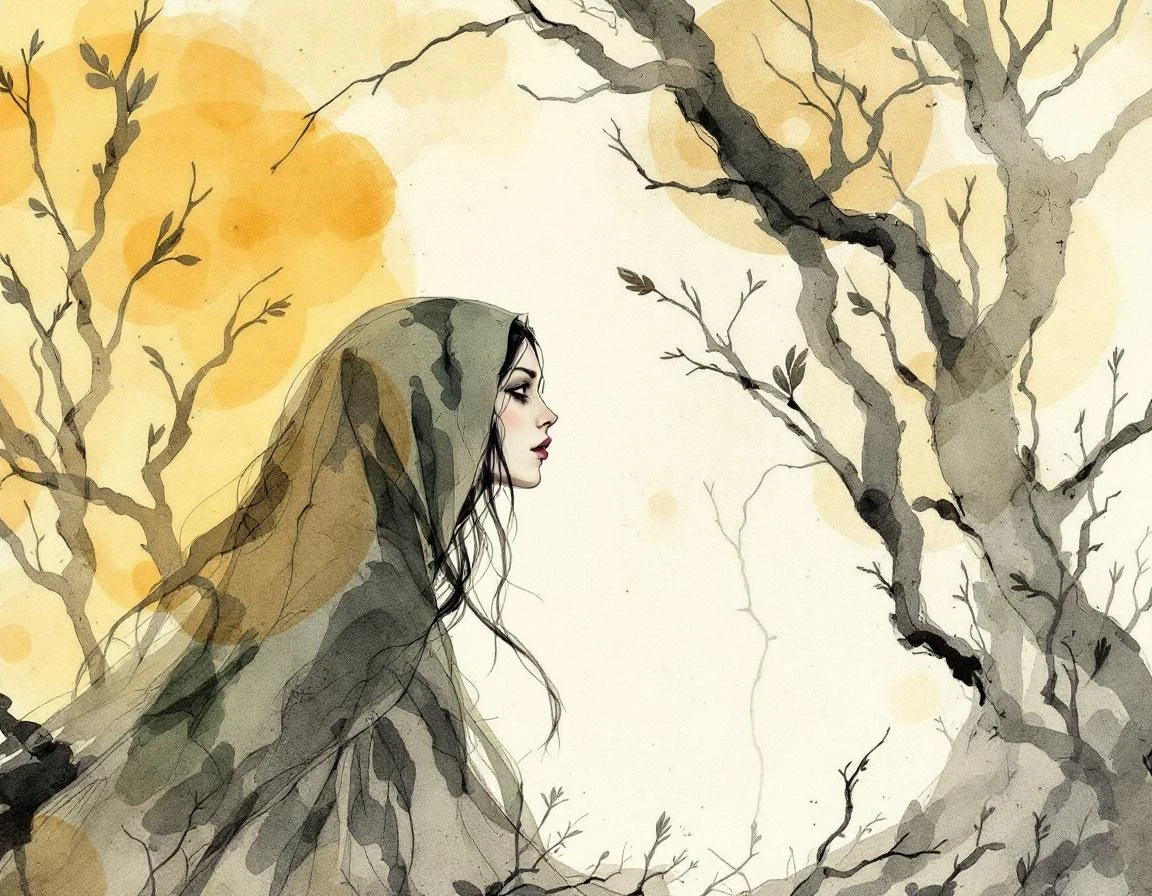
The banshee (from the Irish *bean sídhe*, "woman of the fairy mound") is one of the more distinctive death omens in world folklore: a female spirit whose wail - the *caoine* or keening - announces an imminent death, particularly within specific Irish and Scottish families of ancient lineage. Unlike many folkloric death figures, the banshee is not typically an agent of death but a mourner. She grieves because death is coming, not because she causes it. Historically, the banshee was tied to specific noble families: the O'Neills, O'Briens, O'Connors, and Kavanaghs each had their own, a spirit ancestrally linked to the bloodline whose cries were recognized as family-specific. This makes her a deeply genealogical figure. Her mourning is intimate, particular, addressed to specific lineages rather than to humanity at large. In some traditions she appears as a beautiful young woman; in others, an ancient crone. The Washer at the Ford - a related figure who washes the clothes or armor of those about to die - shares similar origins. Both belong to the Tuatha Dé Danann, the supernatural race of pre-Christian Irish myth, placing the banshee inside the fully realized mythological architecture of the Celtic otherworld.
Naming the Bean Sídhe: Irish and Gaelic Conventions
Traditional Irish personal names draw from a deep Celtic linguistic heritage, shaped by medieval Christian culture and later by Norman influence on Irish nobility. The sounds are distinctive: initial consonant mutations, silent letters that affect pronunciation in non-obvious ways, combinations like "mh" (pronounced /v/ or /w/), "bh" (also /v/ or /w/), and "dh" (broad /g/ or slender /j/). Well-known Irish feminine names that suit banshee characters include: Aoife (EE-fah, meaning "radiant"), Niamh (NEEV, meaning "bright"), Caoimhe (KEE-va, meaning "gentle"), Caoilfhinn (KWEEL-in, meaning "slender and fair"), Bríd or Brigid (after the goddess), Éithne (EH-nah, meaning "kernel"), and Deirdre (the most famous tragic figure of Irish legend). For banshee-specific naming, names associated with keening, sorrow, twilight, and the threshold between life and death carry particular weight: Morrigan (great queen/phantom queen), Badb (crow, one of the war goddess's triple forms), Nemain (frenzy), Macha (plain/sovereignty). These are goddess names that have been applied to banshee-adjacent figures in Irish myth.
Banshees in Gothic Fiction and Dark Fantasy
The banshee appears throughout fantasy literature and games, though rarely with much fidelity to the source material. The *Witcher* series ties banshees to specific locations and mass death. Dungeons & Dragons uses the wailing-spirit template for tactical encounters, sometimes under different names - the Bheur Hag, for instance. Gaiman draws on Irish folkloric tradition in various places without always naming the figure directly. What makes the banshee worth writing is the moral ambiguity built into the archetype. She mourns; she does not kill. She is bound to the family she haunts by something resembling love, or loyalty, or grief so old it has calcified into habit. A banshee who has outlived every family member she was meant to watch over becomes a figure of real pathos: the mourner with no one left to mourn for. A banshee who resents what she is - furious at being reduced to herald-of-tragedy for people who barely registered her existence - is something more interesting still. The folklore is also specific about her voice. The shriek is not merely loud; it is described as inhuman in its grief, a sound that exists outside ordinary language. A character built around that vocal signature has an unusual relationship to speech and communication, one that most writers leave unexplored.
Using the Generator for Your Banshee or Spirit Character
When generating banshee names, lean into the phonological qualities that make Irish-derived names feel otherworldly: soft consonants, unexpected pronunciations, names that look unpronounceable on the page but flow naturally when spoken aloud. Readers and players will forgive a difficult-looking name if you give them the pronunciation guide. Consider the relationship your banshee has with her function. Is she resigned to it? Proud of it? Resentful? Has she been doing this for five hundred years and fallen into a routine? Does she still grieve, or has grief hollowed her into something that performs mourning without feeling it? The family connection is worth building into fiction even when the full genealogical detail never makes it onto the page. A banshee who has watched fourteen generations of the same family die has opinions about them. She knows who died well and who died badly, who was mourned by others and who died alone, who remembered her and who forgot she existed. That history is character even when it stays backstory.
A Mourner before a Monster
A banshee name should make room for grief before fear. The Irish bean sidhe is often a family mourner, not a killer, and that changes the naming. Soft Gaelic-influenced sounds can work, but the name should feel attached to a household, road, or bloodline rather than pasted onto a shriek. Test the candidate in a quiet room before the death is known. If it chills the sentence without raising its voice, keep it.
Mourning Pressure
The name should sound right before anyone dies. A banshee name that only works at full shriek has missed the older grief.
Last Pass for This Page
A final check should put the name into a sentence where the creature or character changes the room. If the name only works as a label, keep searching. If it changes how the scene feels, even before anyone explains the lore, it belongs on the shortlist.
Mourning Pressure
The name should sound right before anyone dies. A banshee name that only works at full shriek has missed the older grief.
Last Naming Check
One last banshee check: attach the name to a family before attaching it to a scream. Who first heard her? Who denies hearing her now? A name tied to lineage, road, or ruined house will do more than one built only from grief vocabulary. The quiet version usually lasts longer.
Banshee Scene Check
Use this note to test the name in a real scene, where local speech and story pressure matter more than decoration.