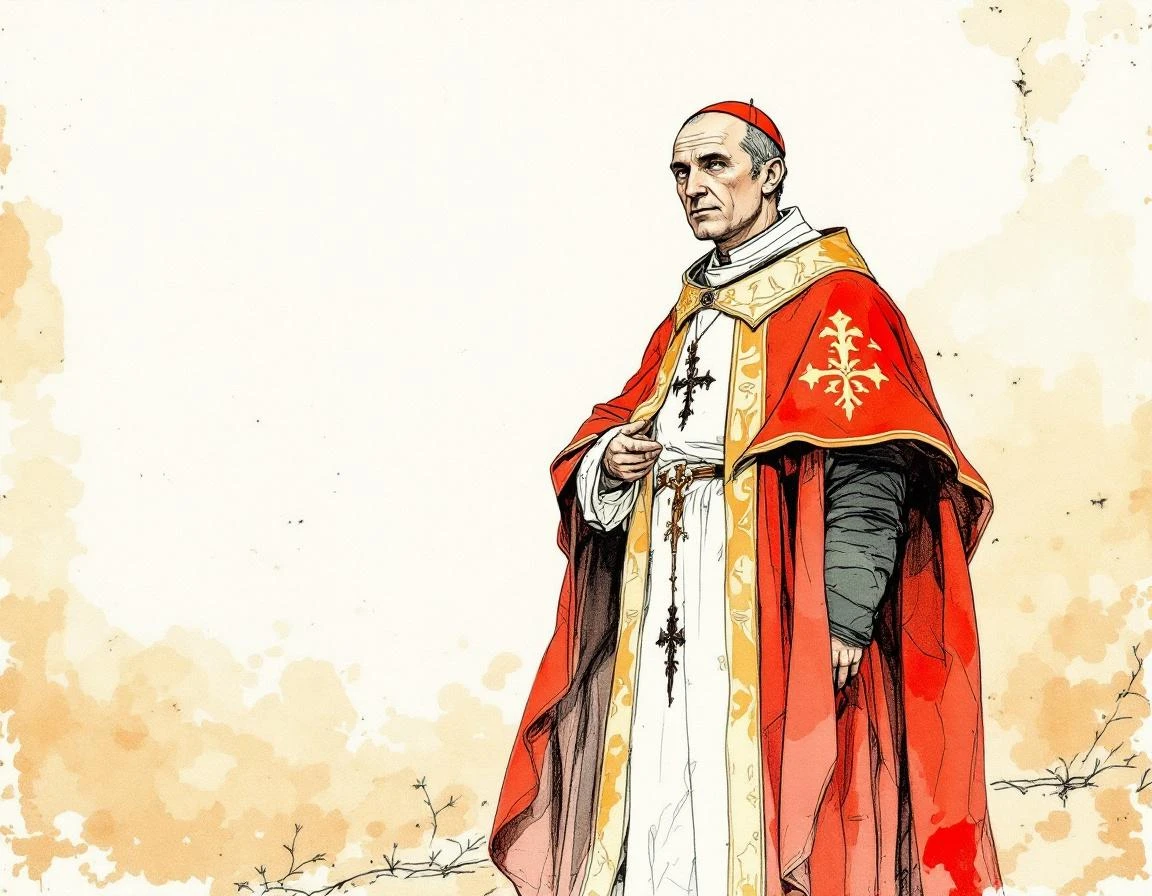


Papal Names with Period Weight
Papal names work when they sound usable before they sound ceremonial. The period gives you habits: which languages meet in the curia, which names appear in bulls, which people use baptismal names, which people carry monastic names, family names, titles, or regnal choices. A generator can start the list, but the writer has to decide who is doing the naming. Papal names involve baptismal names, religious names, Latin forms, regnal choices, family names, and the politics of church memory. That history should change the shortlist. A chancery clerk may record a name differently from the family who says it at home. A chronicle may prefer the regnal name. A monk, cardinal, notary, or hostile chronicler may normalize spelling because the page has its own habits. If every result looks equally polished, the setting loses the small friction that makes names feel lived in. Latinized forms can sit beside Italian, French, German, Spanish, or other birth names. Read the candidates aloud and listen for the stress pattern. Some traditions favor formal regnal names; some stretch through family identity; some keep religious names formal and household names short. Respect the writing system. Do not force every result into modern English spelling unless the story is being filtered through an English narrator. Do not use papal names for ordinary medieval clergy unless the role supports it. The safest use is not the blandest one. You can make a strong fictional name by choosing a period, a social setting, and a documentary layer. A birth name, monastic name, regnal name, and hostile chronicler label may all belong to the same person. The generator becomes useful when it helps you pick which version the reader meets first.
Pin the Name to a Date and a Document
A conclave list, bull, chronicle, monastery register, or diplomatic letter changes the register. A name from an early medieval pope may not fit a Renaissance conclave, even inside the same office. Decide whether the name appears in a bull, conclave list, chronicle, monastery register, diplomatic letter, family letter, or hostile pamphlet. Each source has its own spelling habits and blind spots. The more specific the document, the less the name has to shout. One small archival detail usually does more work than a decorative ending.
Listen for the Local Mouth
A pope's regnal name may hide a very regional birth name. Historical names were spoken before they were standardized. The generator's cleanest option may need roughening: a shortened household form, a family name used only by enemies, a spelling that reflects a foreign clerk, or a saint's name bent by local vowels. If a candidate cannot survive being spoken in a corridor or written in a bull, it belongs in a list rather than a scene.
Separate Rank from Personality
Popes, cardinals, monks, scribes, and local priests do not share one naming style. Nobles, clergy, soldiers, craftspeople, enslaved people, migrants, and outsiders do not leave the same naming trail. Some people are overrepresented in records because scribes cared about their property. Others appear only as labels or nicknames. Give high status characters formal names if the period supports it, but do not assume formality equals depth. A plain byname tied to a trade, parent, or village can do more for a character than an ornate antique form.
Use Religion Without Flattening People
Regnal names can honor predecessors, saints, reform agendas, or political claims. Religious naming is part of the record, but it is not a shortcut. Saints, prophets, gods, virtues, feast days, monastic names, conversion names, and protective names all carry different pressures. Ask whether the name was chosen by parents, adopted by the person, imposed by an institution, or written by an outsider. That choice changes how the character hears it. A name can be devout, fashionable, political, or reluctant.
Avoid the Museum Label Problem
Avoid choosing a papal name only because it sounds solemn. A generated name should not read like a placard under glass. Put it into a sentence with weather, debt, hunger, family, fear, or authority nearby. If it still sounds like a person rather than a period marker, keep it. If the spelling is doing all the work, look for a simpler form with a clearer social use. Period flavor should arrive through pressure, not through piling on unusual letters.
Build a Small Naming Cluster
One isolated name can feel arbitrary. Make two related names beside it: a parent, rival, sibling, patron, village, ship, monastery, regiment, or trade house. Pair birth name, monastic name, regnal name, and hostile chronicler label. The cluster will reveal whether the favorite belongs to a system or only looked good alone. Keep enough variation that people do not sound copied, but keep the shared rules visible. That balance is where historical naming starts to feel written by people instead of assembled for a category page.
Cut the Generated Gloss
After the shortlist works, remove the lines that explain the category back to you. A name should not need a speech about why it is authentic. Keep one reason in your notes: the date, the language layer, the social rank, the document, or the ritual setting. Then let the name behave like a working part of the story. If the final choice still sounds like a heading, choose the quieter candidate.
Make the Final Choice Accountable
The final check is plain: explain to yourself why this exact Papal name belongs on this exact page. Use one sentence, not a lore dump. Tie it to Papal history through sound, document, social position, worship, place, or family pressure. Then test whether a reader could meet it in dialogue without stopping for a lecture. If the name needs a paragraph of defense, it is probably doing the wrong job. Pick the quieter form that carries one strong fact and lets the scene move. Save the ornate version for a formal record only if the scene has a formal record. For speech, let people shorten, mishear, translate, or resist the name the way they would in a real household, market, chapel, harbor, or court. A conclave record and a private family letter may preserve different papal identities. For papal scenes, separate birth names, regnal names, Latin records, and factional family identity.