

Ancient Civilization and Medieval Name Generator
Names from the ancient world tend to carry something the invented ones don't: centuries of actual use, worn smooth by repetition across inscriptions, chronicles, and the mouths of people who meant them literally. Greek and Roman names shaped naming conventions across Europe for a millennium after the empires fell. Celtic names survived Roman conquest, Christianization, and Norman invasion. Viking names crossed the North Atlantic and turned up in Normandy, Dublin, and the Danelaw. This generator draws on those traditions — not as costume, but as material. A name from the ancient Mediterranean or the Norse sagas arrives with grammar, etymology, and cultural context already embedded in it.
Classical Traditions
Greece and Rome left naming systems that still echo through Western languages. Greek names tended to honor specific gods, mark a victory, or express a parent's hope for the child. Roman names were more structural: the *praenomen* identified the individual, the *nomen* the clan, the *cognomen* a branch within it — sometimes earned, sometimes inherited.
Celtic and Nordic Heritage
Celtic and Nordic names were built to carry weight. A name like *Vercingetorix* — "king of great warriors" in Gaulish — wasn't decoration; it was a declaration. Nordic names worked the same way, pulling from a shared vocabulary of battle, weather, and the old gods: *Björn* (bear), *Ulf* (wolf), *Sigrid* (victory-beautiful). Nature ran through both traditions, but not as ornament. The Celts named rivers and hills and then named their children after them, collapsing the boundary between person and place. The Norse did something similar with kennings, stacking meanings until a name became almost a riddle. What survives in the historical record is partial. Roman scribes mangled Gaulish names. Icelandic sagas preserved Nordic ones more faithfully, which is why we know *Gunnar* and *Freydís* better than most of their Continental equivalents. Any generator working in this space is drawing on that uneven archive.
Historical Authenticity
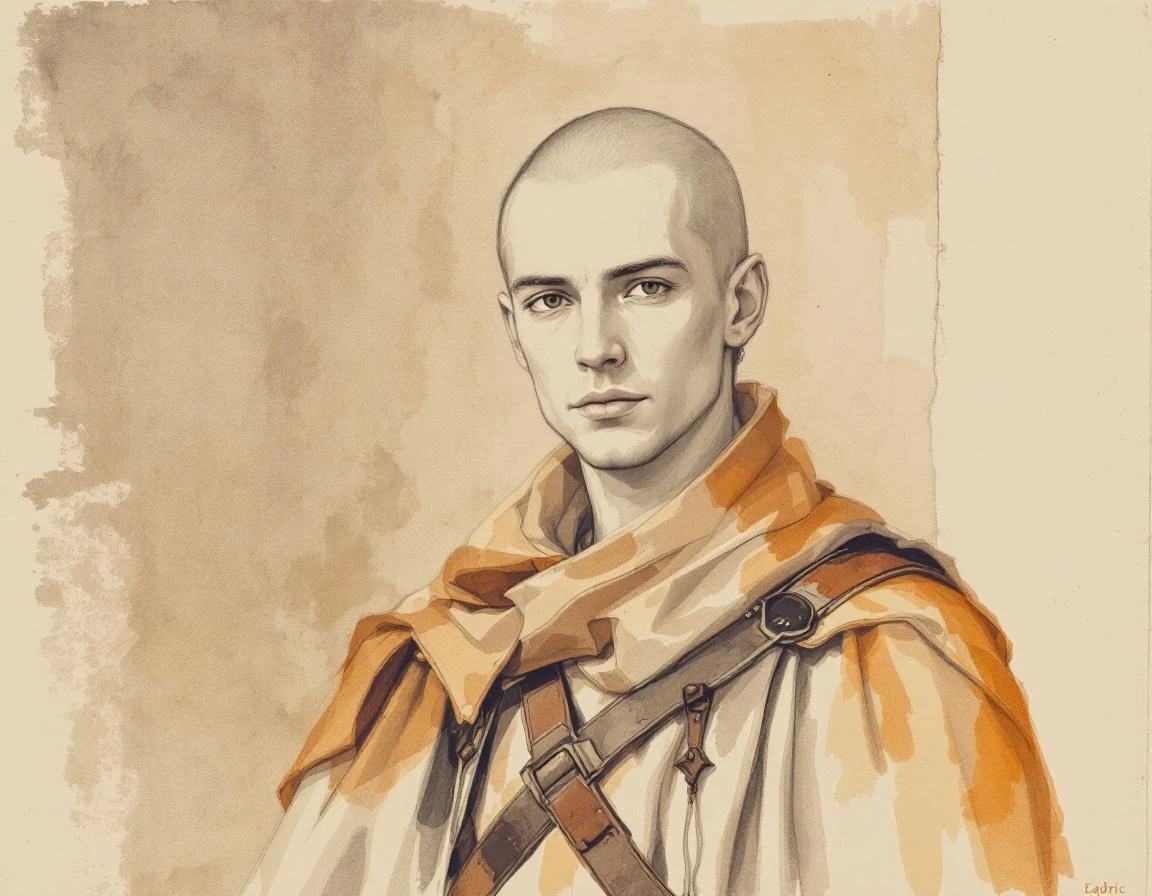
Medieval naming patterns varied widely across regions, social classes, and centuries. Norman aristocrats favored Latinized forms — *Guillelmus*, *Rogerus*, *Matildis* — while Anglo-Saxon commoners kept older Germanic roots: Æthelred, Wulfric, Eadgifu. The gap between those two traditions tells you more about the Conquest than most textbooks do. If you're writing characters who need to feel rooted in a specific time and place, the name is often the first signal. A thirteenth-century English merchant wouldn't share a name with a Frankish knight or a Byzantine clerk, even if all three appear in the same story.