




Location Name Generator — Other Locations for Fiction and Worldbuilding
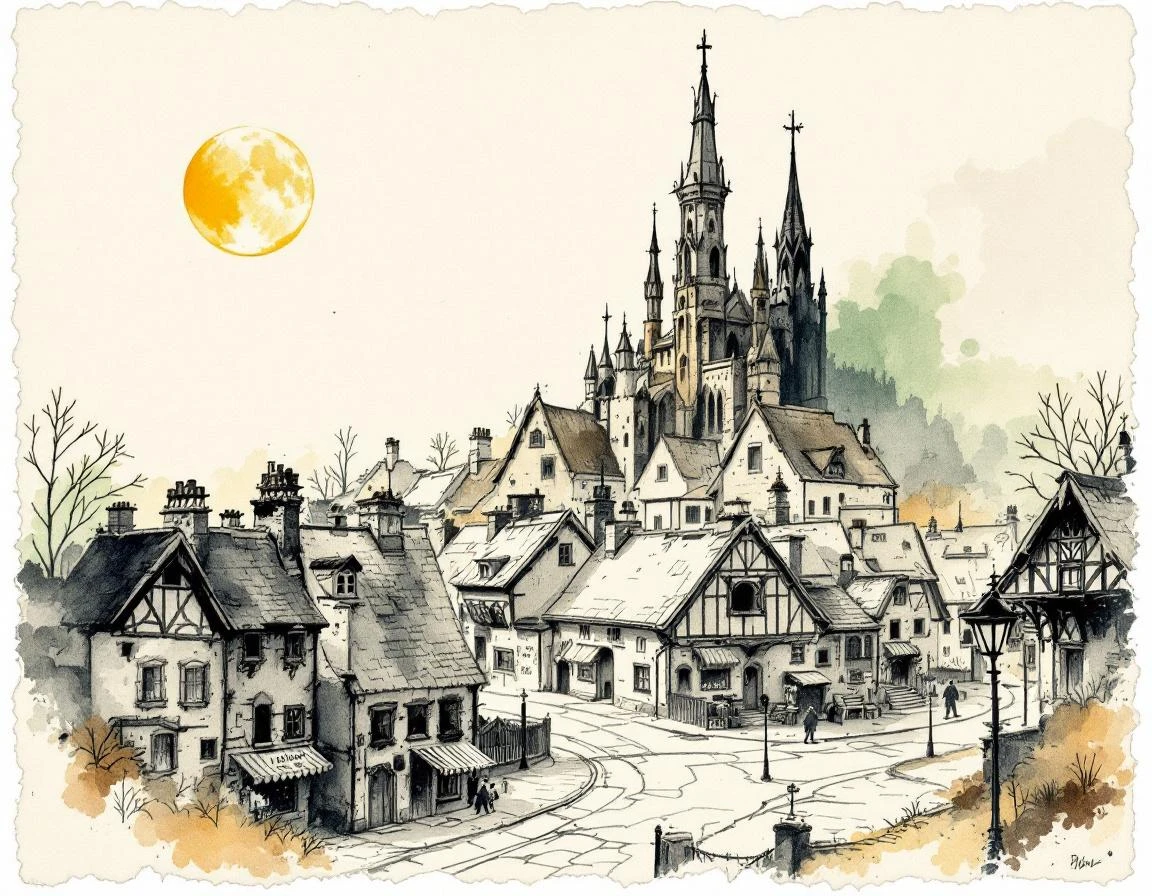
Generate names for the specific places that resist easy categorization — the unnamed inn at the crossroads, the contested border town, the ruin that predates the civilization built on top of it. These are the locations that give fiction its grain and density.
Naming Unusual Locations
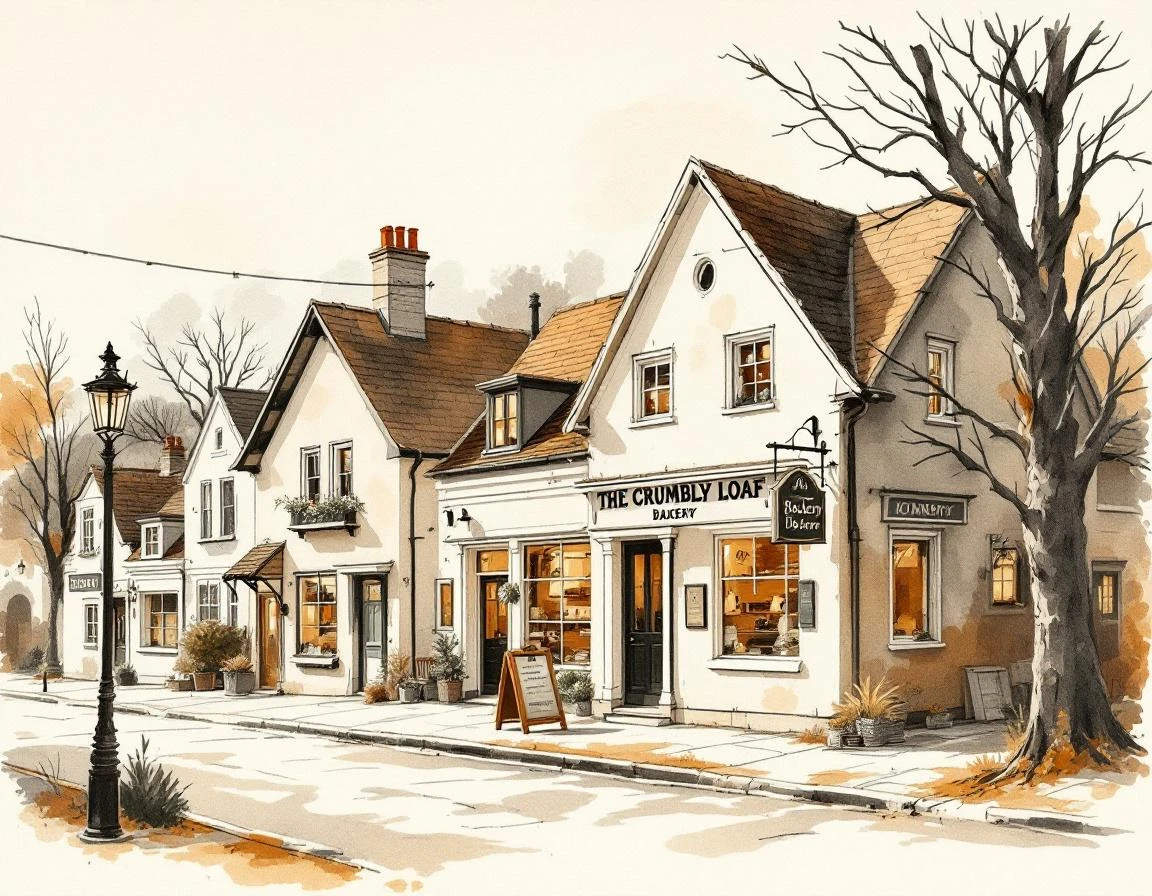
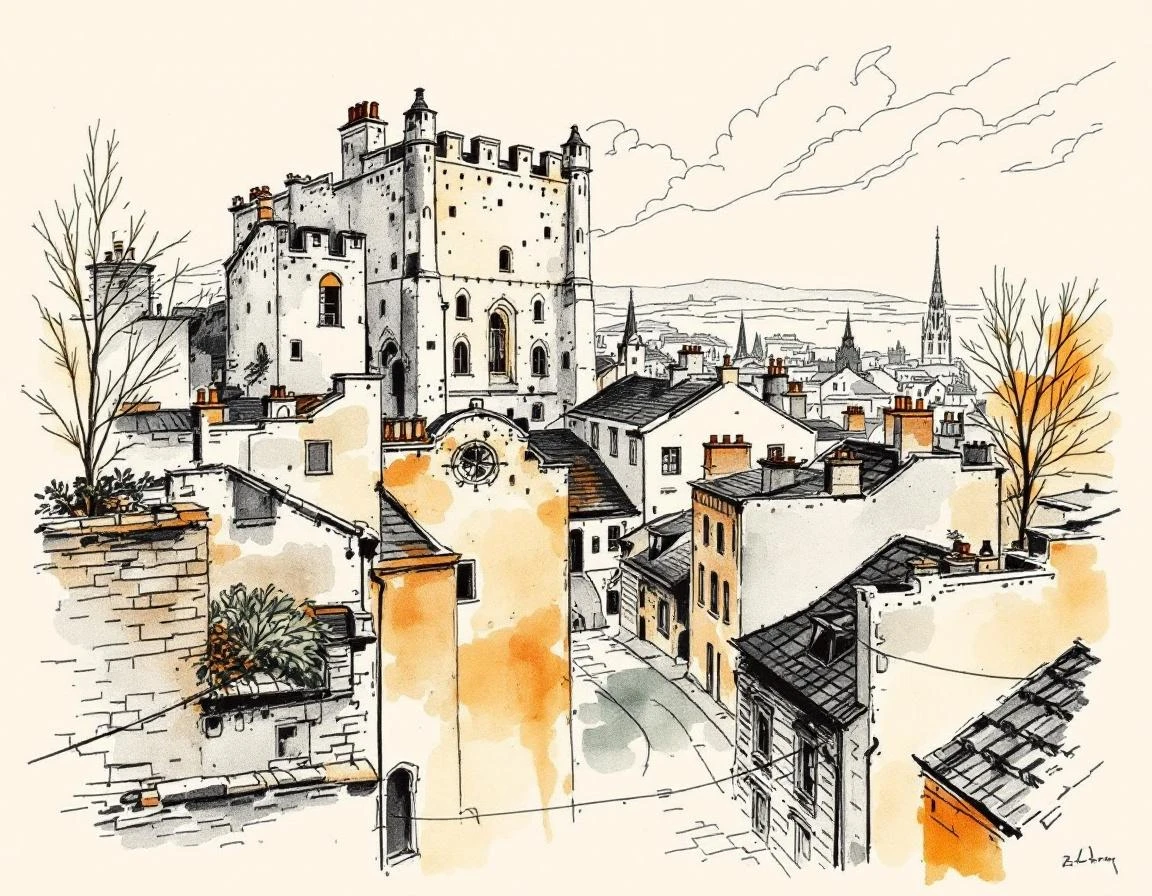
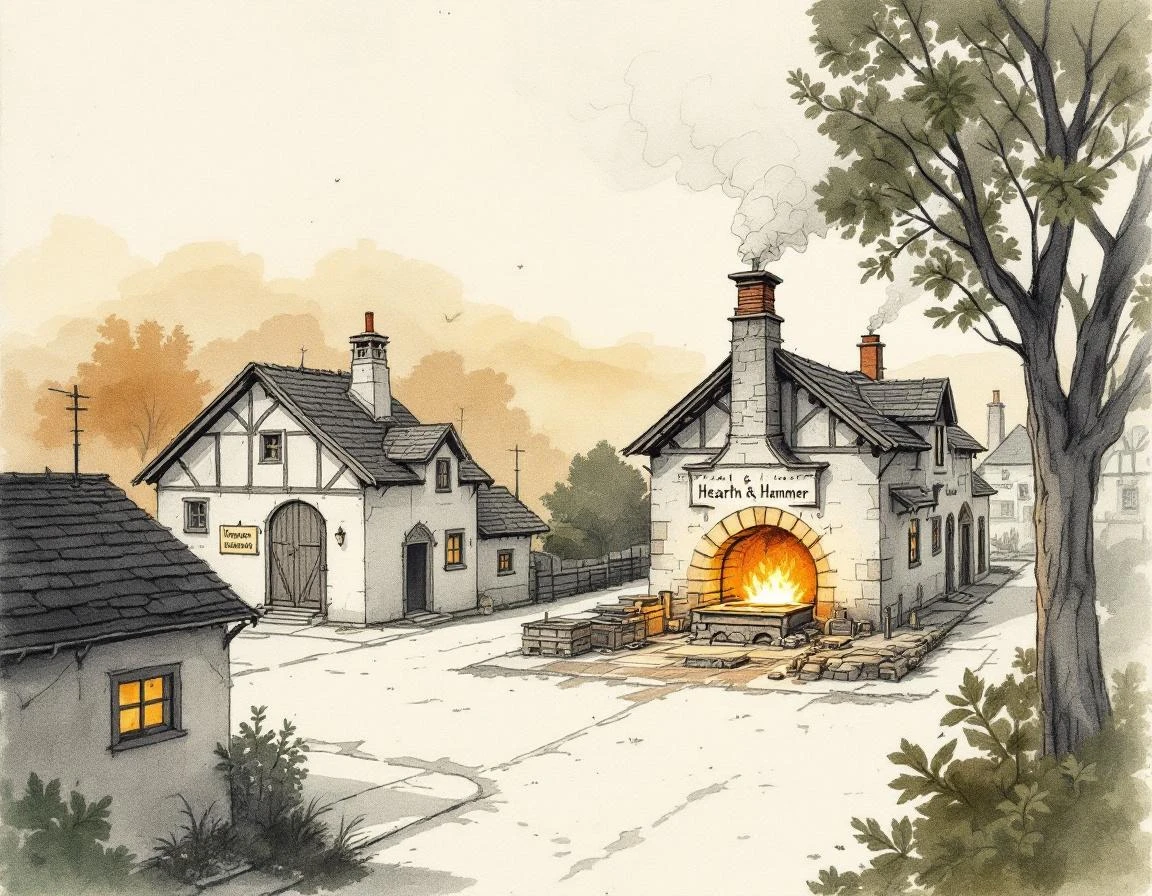
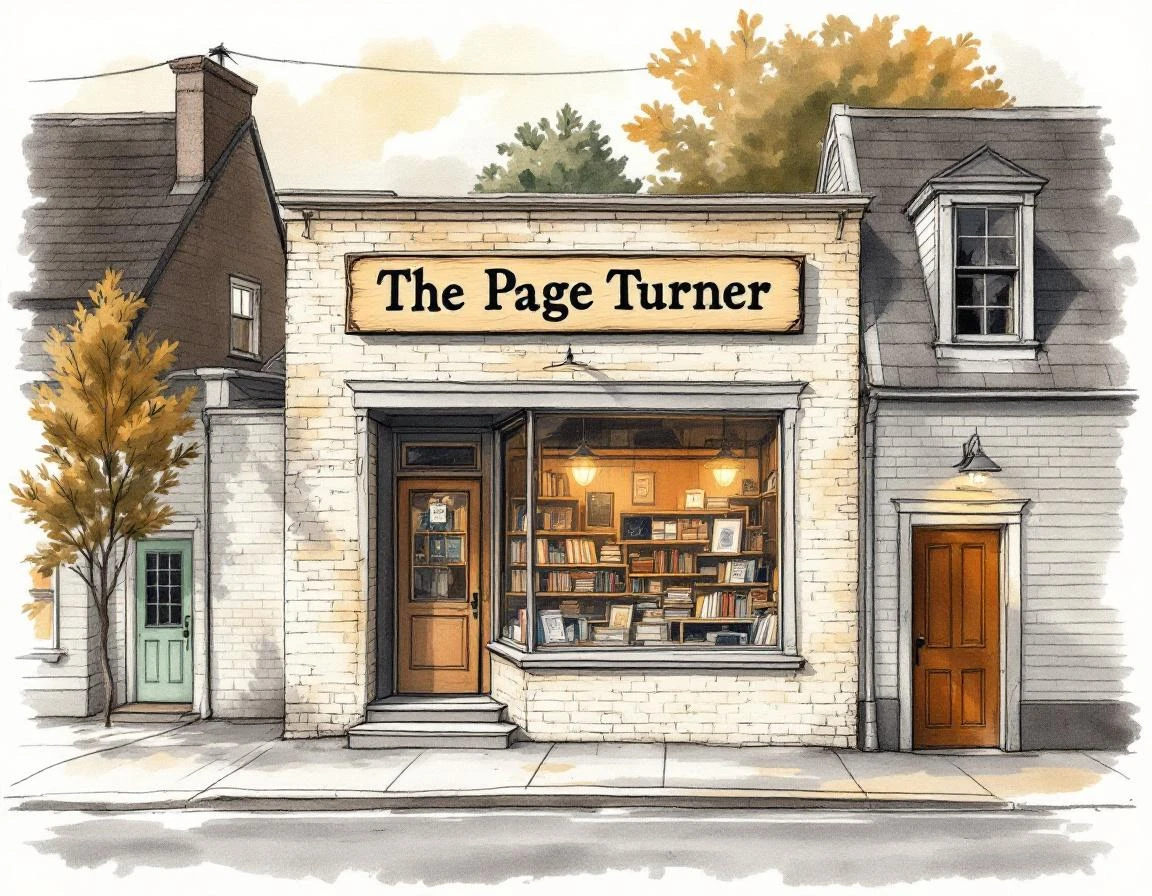
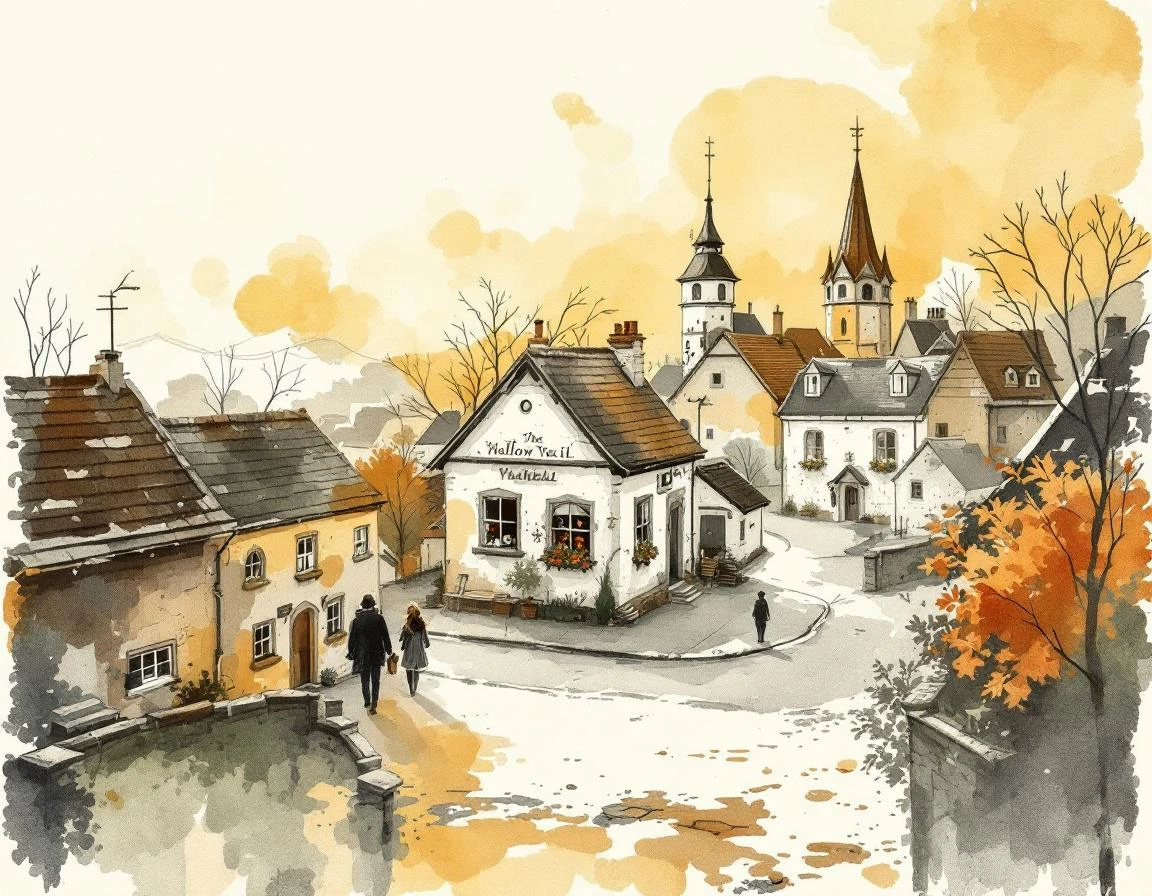
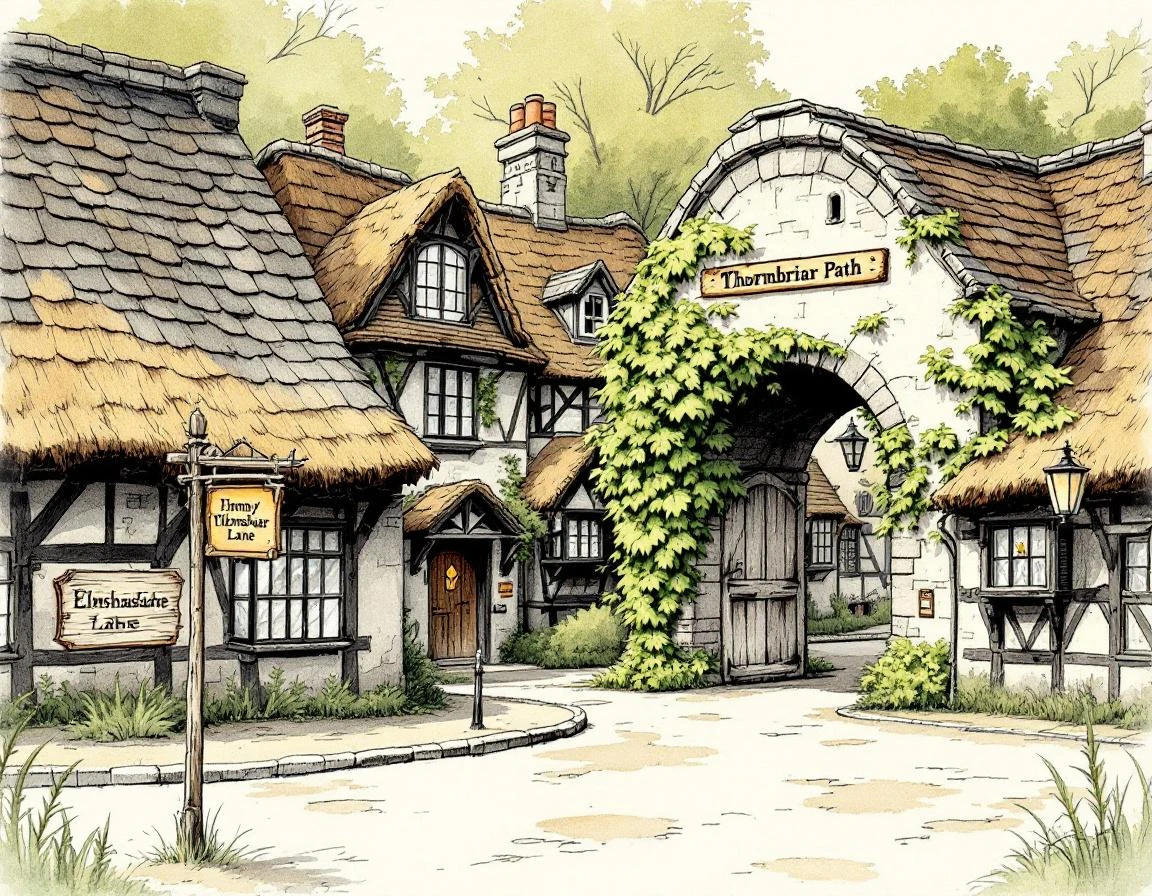
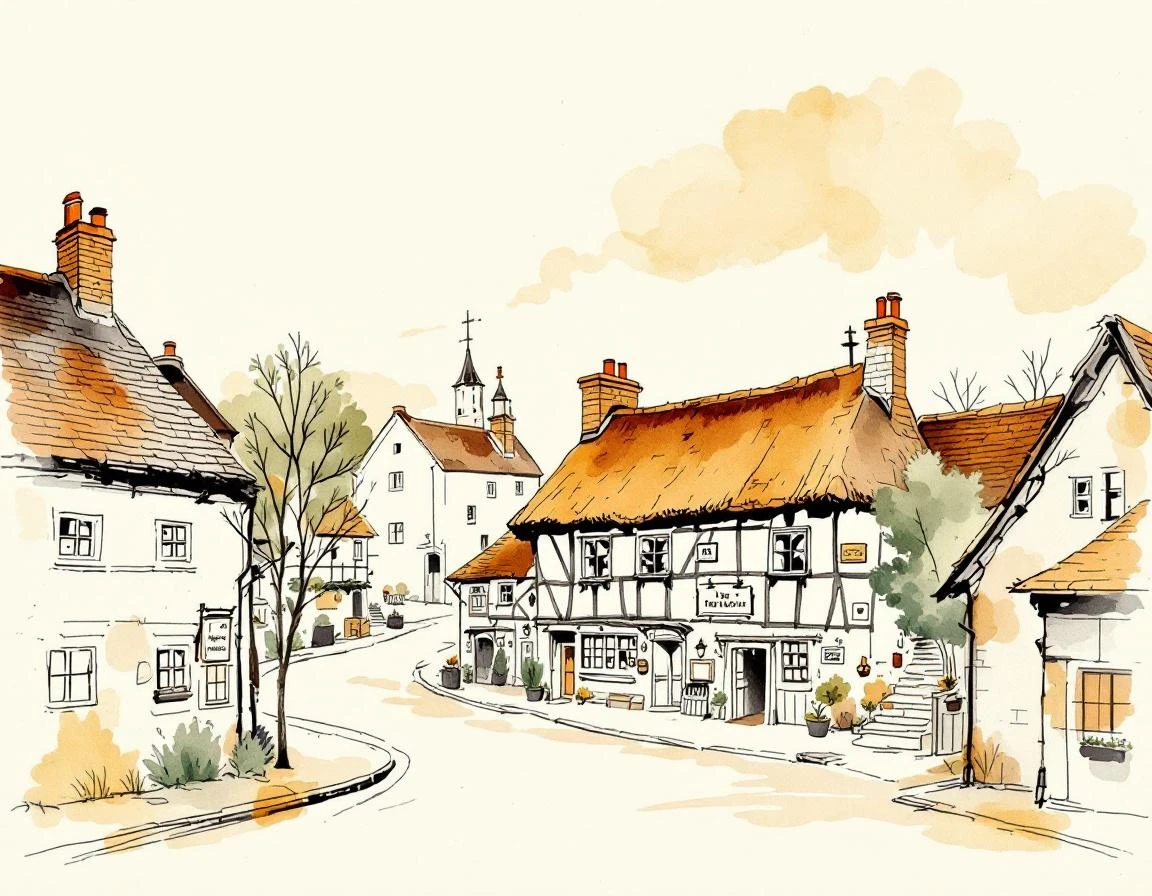
Some location types in fiction require names that work differently from standard town and city names. The tavern, inn, or pub — in fantasy fiction, typically the first named location a character encounters — follows its own naming logic: the object-plus-animal tradition (*The Prancing Pony*, *The Green Dragon*, *The Broken Barrel*), the founder's name tradition (*Molly's*, *The Garrison Arms*), the pun tradition (*The Drunken Dwarf*, very popular in fantasy). Tavern names are often the first glimpse a reader gets into the world's culture, which is why worldbuilders take them seriously. The named landmark — the bridge, the crossroads, the ancient tree, the standing stone, the mountain pass — exists primarily as a navigational and narrative reference point. Landmark naming tends to work differently from settlement naming: more poetic, more tied to local legend or history, often in older linguistic forms than the place names around them. In Tolkien, Weathertop (*Amon Sûl* in Sindarin) carries both names; the Sindarin one holds the deeper story. Military locations — the fortification, the outpost, the stronghold — are named for function and position: *Eastwatch*, *Northgate*, *Border Keep*, *River Garrison*. The logic is tactical: the name alone should tell you what it protects and where it sits.
Real-World Unusual Location Names
Truth is frequently stranger than fiction in place naming. Real places called *Fucking*, Austria (renamed *Fugging* in 2021 after tourist harassment became unsustainable); *Boring*, Oregon (which twinned with *Dull*, Scotland and *Bland*, New South Wales in a coalition of unremarkably-named towns); *Batman*, Turkey (a province named for the Batman River, named before the comic character); *Ho Chi Minh City*, Vietnam (formerly Saigon, renamed in 1976 for the North Vietnamese leader, though locals often still say "Saigon"). The real-world resonances of fictional location names are worth considering. A writer naming a place "Haven" probably doesn't know about the Nova Scotia city of the same name; "Ashenvale" is a World of Warcraft zone but also sounds like it could be a real English village. The space between real names and fictional names is narrower than it seems, which is why good fantasy naming draws from the same conventions as real naming. Historical locations that no longer exist as named places: the kingdom of Outremer (the Crusader states — *Outremer* is simply French for "overseas"), the city of Carthage (whose ruins are in modern Tunisia; the Arabic name for the site is *Qarāj*), the city of *Ozymandias* (fictional, but Ramesses II's capital was *Pi-Ramesses*, which was abandoned and its stones used for later construction).
Using the Generator
For fantasy worldbuilding catch-all needs — the tavern name, the landmark, the dungeon, the region that doesn't fit other categories — naming should feel consistent with the world's other conventions while remaining specific to the location type. Science fiction settings present their own version of the problem: space stations, asteroid mining operations, colonial outposts, temporary habitats. Each carries its own naming logic, reflecting how a society understands its relationship to space and distance. For any location that lacks a ready category, the underlying principle holds: name it for what it is (descriptive), for who made it (commemorative), for where those people came from (origin), or for what happened there (event). A name rooted in one of these conventions will feel more real than a random assemblage of sounds.