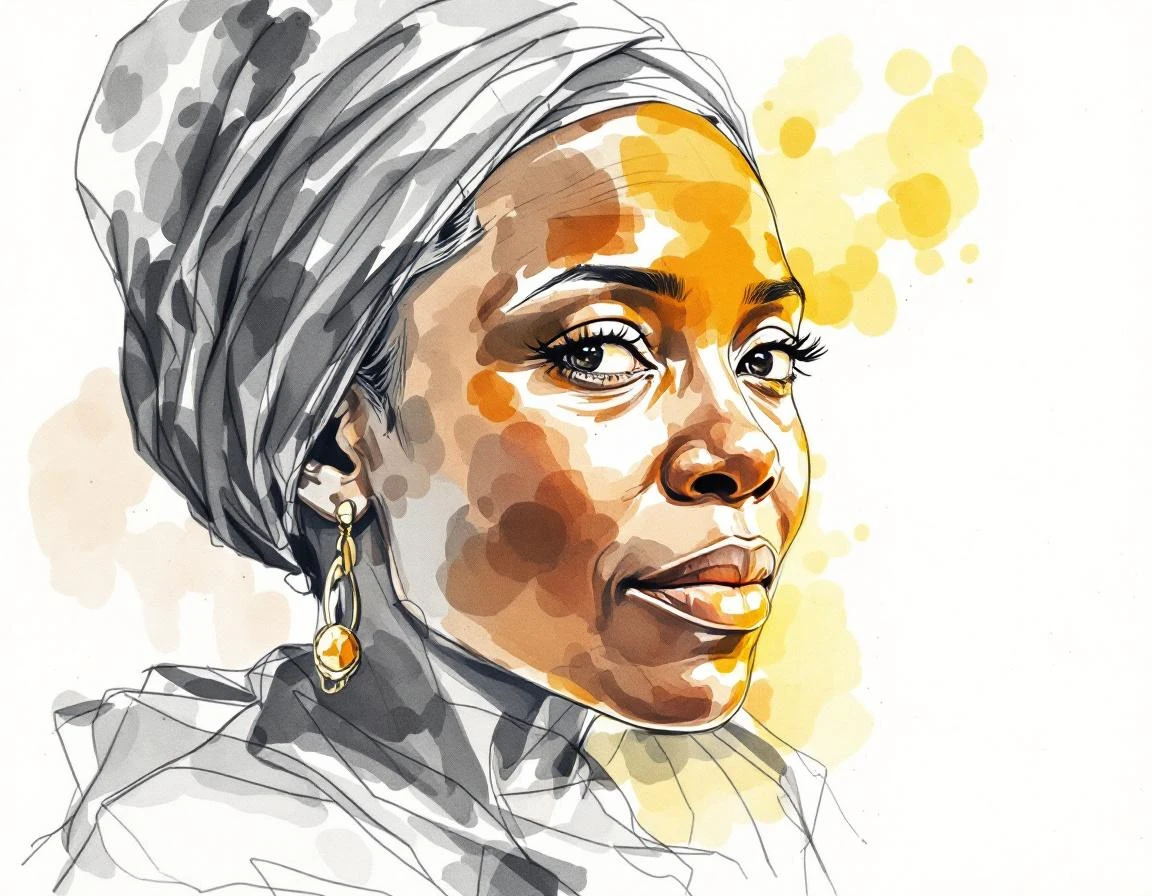


Zulu Name Generator
Zulu names carry weight. They record births, mark circumstances, and express a father's pride or a mother's grief; the amaZulu have maintained that naming tradition through migration, colonial disruption, and the upheaval of the twentieth century. The generator pulls from those conventions: names tied to lineage (*isibongo*), to the conditions surrounding a birth, and to ancestors whose presence is still acknowledged. Not decoration. Not invented syllables that sound vaguely African. Names with grammar and intention behind them.
Circumstantial Significance
Zulu names are records before they are labels. The circumstances of a birth, including weather, season, family tension, and political upheaval, compress into a word that children carry into adulthood and pass down to their own children. A child born during lightning may receive a name referencing thunder. One born during drought may carry a name that acknowledges hardship or quietly asks for rain. Dawn births and winter births pull from different registers: new beginnings against cold and endurance. The time of day is not incidental; it is part of the name's meaning. Political history runs through Zulu naming in ways that anthropologists have documented across generations. The anti-apartheid struggle, earlier colonial encounters, and periods of resistance and loss surface in the names parents chose during those years. Naming a child after a large visitor or event was common practice, which means a family's genealogy can read like a compressed community calendar. Family dynamics appear too: conflicts, reconciliations, economic reversals, and grief. A child's name can comment on a rupture in the household or express a hope for repair. This is naming as social record keeping, carried primarily through oral tradition rather than written archive. What results is a decentralized historical record distributed across living people. Each name holds specific information: not symbolic in a vague, decorative sense, but precise in the way that a date or a place name is precise. The Zulu naming tradition treats designation as documentation.
Ancestral Connections
Zulu naming practices are built around amadlozi, the ancestors, with names acting as a direct line between the living and the dead. A name can honor a specific ancestor, especially when a dream or an unusual event during pregnancy suggested that ancestor had taken an interest in the child. The isithakazelo, or clan praise names, extend this further: they attach a person to the full lineage of their clan, carrying weight in ritual contexts that an everyday name does not. Some names are petitions. A difficult pregnancy can produce a name that asks the ancestors for protection, or acknowledges that safe delivery felt like their intervention. Others work by misdirection: parents who had already lost children sometimes gave a new baby a deliberately humble or even unflattering name, the logic being that malevolent forces would not bother with a child who seemed unremarkable. The name as camouflage. The pattern of naming children after grandparents reflects a belief in cyclical continuity rather than simple commemoration. A namesake was thought to share a spiritual bond with the ancestor whose name they carried, rather than only to remember them. Christianity complicated this without replacing it. Biblical names entered the system alongside traditional ones, and many people ended up with two names operating in parallel, each belonging to a different spiritual register. Naming ceremonies formalized all of this. Elders burned impepho and made formal announcements to the family's ancestors, introducing the child and their name to the dead as much as to the living. The ceremony presented the name to the living and the ancestral world.
Contemporary Evolution
Zulu naming practices after apartheid shifted noticeably. Families began choosing names that signaled cultural pride more openly. Names that had been quietly set aside under segregation were reclaimed, and the reclamation was often deliberate. Among families prioritizing education, names referencing wisdom or advancement became more common, though this was never a clean break from older patterns so much as a layering of new emphasis over existing ones. The dual-name system, an isiZulu name for family and a European name for work, long predates 1994, but its logic has loosened since then. Some people still move between names depending on context; others have stopped bothering with the European name at all. Christian families frequently kept biblical names but bent them toward Zulu phonological patterns, or chose names whose translations carried meaning in isiZulu. The theology stayed; the sounds changed to fit the mouth. Urban migration forced practical adjustments. Naming ceremonies traditionally tied to a family homestead had to be adapted for Johannesburg flats, with the essential spiritual elements preserved even when the physical setting bore no resemblance to what the ceremony once assumed. Radio and television broadcasting in isiZulu introduced new cultural figures whose names occasionally filtered into naming trends. The influence was quiet, but it was real. Constitutional recognition of traditional leadership structures gave some families reason to research historical Zulu naming protocols more seriously, consulting with elders rather than guessing. This was part of a broader cultural reclamation rather than a narrow interest in names alone. The tradition is not frozen in resistance to change. It has absorbed pressure from multiple directions and remained coherent.
Zulu Final Selection Notes
Zulu names need to match the language, period, region, and community that produced them. The last pass should be plain and practical: put the chosen name beside the character's age, location, family speech, and public identity. If any one of those details fights the name, either revise the biography or choose another candidate. A name that needs constant defense is usually the wrong one for a main character.
Read It Against the Household
Household use is the quickest way to find a false note. The strongest choices usually come from ordinary naming pressure: family, faith, migration, class, local pronunciation, and the way a name looks in records. Ask who chose the name, who dislikes it, who shortens it, and who insists on the formal version. In many cultures, the public form and the intimate form are both real. A draft that recognizes that split can show family rank, affection, distance, grief, or migration without stopping to lecture the reader.
Read It Against the Archive
Documents create their own pressure. A Zulu name may appear differently in a mission register, colonial file, apartheid-era pass, school roster, Home Affairs record, diaspora form, or modern app field. Choose which version the reader sees and keep it consistent. When the story uses a variant, make the reason visible through context rather than a glossary.
Read It Against the Genre
The final choice should help the genre do its work. Historical fiction needs a period-aware form; contemporary fiction needs a name that can move through ordinary bureaucracy; fantasy can borrow naming logic while making the invented setting responsible for its own culture. A Zulu result should feel usable in a scene before it feels impressive in a list. If the name gives the next scene a clearer voice, it is earning its place.