

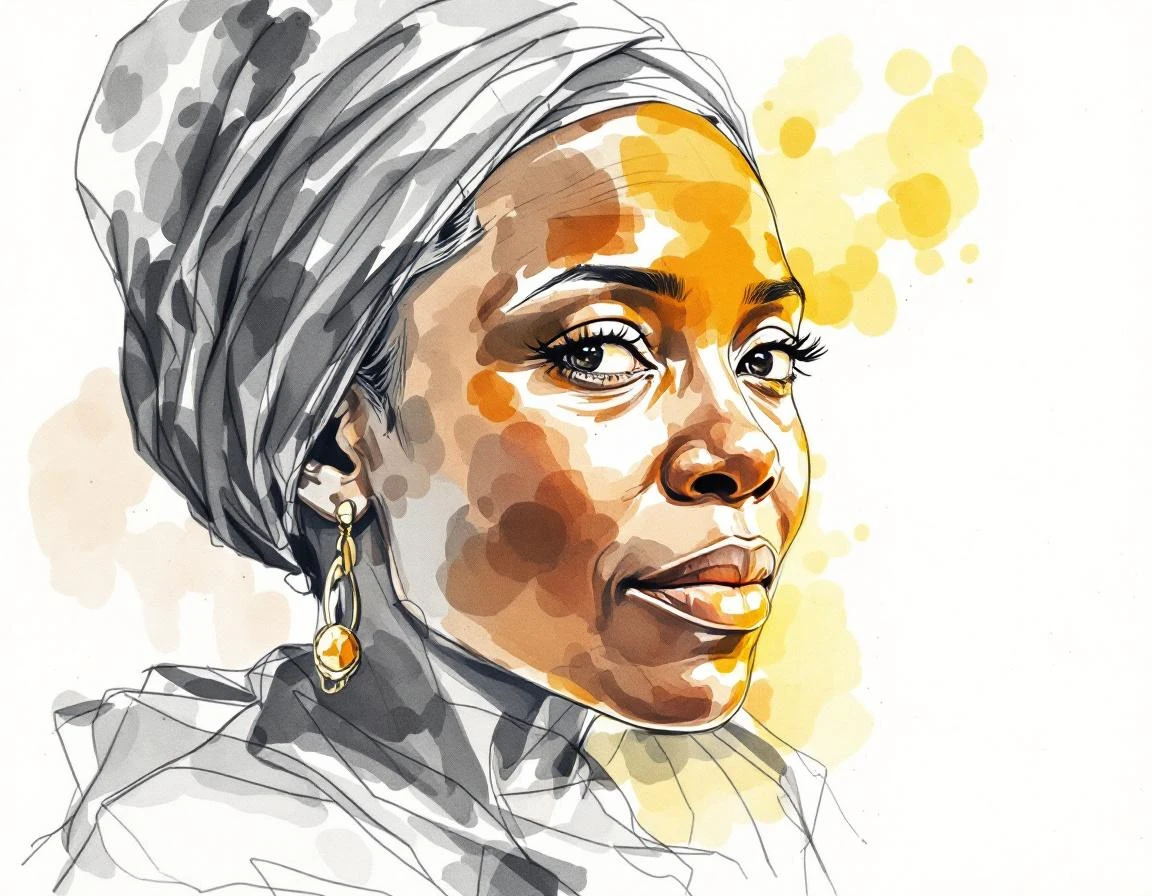
Yoruba Name Generator
Yoruba names carry explicit meaning. A single name can record the circumstances of a birth, the family's religious orientation, a prayer, grief, or hope in a word or two the child carries for life. The Yoruba people, across Nigeria, Benin, and Togo, developed one of West Africa's most exacting naming systems. Names beginning with *Ade* (crown) or *Olu* (lord) can signal lineage and status. Names like *Babatunde* ("father has returned") or *Yetunde* ("mother has returned") mark reincarnation beliefs. *Àbíkú* names, given to children believed to be spirits cycling in and out of the living world, carry a different weight; some are deliberately severe, meant to discourage the spirit from leaving again. This generator works within those conventions: prefixes, suffixes, theophoric elements drawn from Yoruba religion, and names that belong to particular *orisha* traditions.
Birth Circumstances
Yoruba naming traditions place strong emphasis on the circumstances surrounding a child's birth. Names function as compact biographical records. The abiso, or "name according to time," encodes specific birth conditions directly into a child's identity. Twins receive distinctive names: Taiwo (first twin, literally "having the first taste of the world") and Kehinde (second twin, "arriving after"). Children born with umbilical cords wrapped around them traditionally receive names like Ige; those born feet-first often receive Ojo. The Yoruba week, comprising four days (Awo, Oyo, Ojo, Ose), also shapes naming. A child born on Ose day can be called Abosede. Children born during journeys can receive names like Abiona; those born during religious festivals receive names marking the occasion. Names like Babatunde ("father returns") or Yetunde ("mother returns") refer specifically to children born after the death of a grandparent, encoding beliefs about reincarnation and family continuity into the name itself. Children born after multiple miscarriages receive protective names like Rotimi ("stay with me") or Kokumo ("this one will not die"). Those names acknowledge previous losses and state hope directly. For anyone fluent in Yoruba tradition, a name carries immediate information about birth conditions, family history, and spiritual significance. The name is not decoration. It is a record.
Family and Destiny
Birth circumstances are only one layer. Yoruba naming also works with family heritage, spiritual affiliation, and the child's perceived destiny, so the result can feel closer to a document than a label. The *oriki* tradition, praise poetry celebrating family accomplishments and distinctive qualities, sometimes contributes abbreviated elements directly into a child's personal name. Ancestral occupation shapes names too: Alagbe (beggar), Alaro (dyer), and Ajayi (drummer) each carry a profession and a spiritual connection to the *orisa* who governs that work. A name can mark obligations as well as identity. Destiny names (*oruko amutorunwa*, names brought from heaven) emerge from Ifa divination ceremonies performed shortly after birth, where *babalawo* determine the child's spiritual origins and any promises made before arrival. These names tie the child to specific *orisa*, ancestral lineages, or spiritual covenants. Naming after revered ancestors (*oruko inagije*) works differently. It maintains intergenerational continuity and carries the quiet expectation that the child will embody what the namesake was known for. Arabic and biblical influences entered Yoruba naming without erasing its structure. Names like Lamidi (praiseworthy) show Islamic elements absorbed into Yoruba phonology and syntax rather than replacing it. Christian naming followed a similar pattern, merging biblical references with Yoruba meanings rather than substituting one system for another. The result is a name that can reference birth circumstances, family history, spiritual connection, and destiny at once. It locates a person within relationships and obligations that existed before they were born.
Contemporary Adaptations
Yoruba naming practices have shifted considerably over the past few decades, though not in the ways outsiders expect. The changes are less about abandonment than negotiation among tradition, circumstance, Lagos, London, the meaning in Yoruba, and what a teacher in Toronto can pronounce. The *ikomojade*, the ceremony that brings the child out to the community, traditionally falls on the seventh or ninth day after birth. Urban families now often hold it on a weekend, when relatives can travel and employers will not dock pay. When elders cannot come at all, they join by phone or video. The form bends; the function holds. Pentecostal Christianity has introduced its own pressure. Some families want a name that works in both registers: a Yoruba orúkọ that carries ancestral meaning alongside a Christian name that signals religious identity. The compounds that result are double declarations, not compromises. Diaspora families tend to choose names with particular care. A child born in Atlanta or Manchester often receives a name more deliberately chosen than one born in Ibadan because the name must carry memory across distance. Online communities have made this easier, with parents sharing meanings and appropriate combinations in ways that would have required a knowledgeable elder a generation ago. This is not collapse. Yoruba naming has always been responsive to circumstance; the tradition's core insistence is that names mean something. They connect a person to the moment of their birth, to their family's history, and to the larger story they are entering. That principle survives the video call.
Yoruba Final Selection Notes
Yoruba names need to match the language, period, region, and community that produced them. The last pass should be plain and practical: put the chosen name beside the character's age, location, family speech, and public identity. If any one of those details fights the name, either revise the biography or choose another candidate. A name that needs constant defense is usually the wrong one for a main character.
Read It Against the Household
Household use is the quickest way to find a false note. The strongest choices usually come from ordinary naming pressure: family, faith, migration, class, local pronunciation, and the way a name looks in records. Ask who chose the name, who dislikes it, who shortens it, and who insists on the formal version. In many cultures, the public form and the intimate form are both real. A draft that recognizes that split can show family rank, affection, distance, grief, or migration without stopping to lecture the reader.
Read It Against the Archive
Documents create their own pressure. A Yoruba name may appear differently in a naming ceremony program, church register, mosque record, colonial file, school roster, passport, diaspora form, or modern app field. Choose which version the reader sees and keep it consistent. When the story uses a variant, make the reason visible through context rather than a glossary.
Read It Against the Genre
The final choice should help the genre do its work. Historical fiction needs a period-aware form; contemporary fiction needs a name that can move through ordinary bureaucracy; fantasy can borrow naming logic while making the invented setting responsible for its own culture. A Yoruba result should feel usable in a scene before it feels impressive in a list. If the name gives the next scene a clearer voice, it is earning its place.