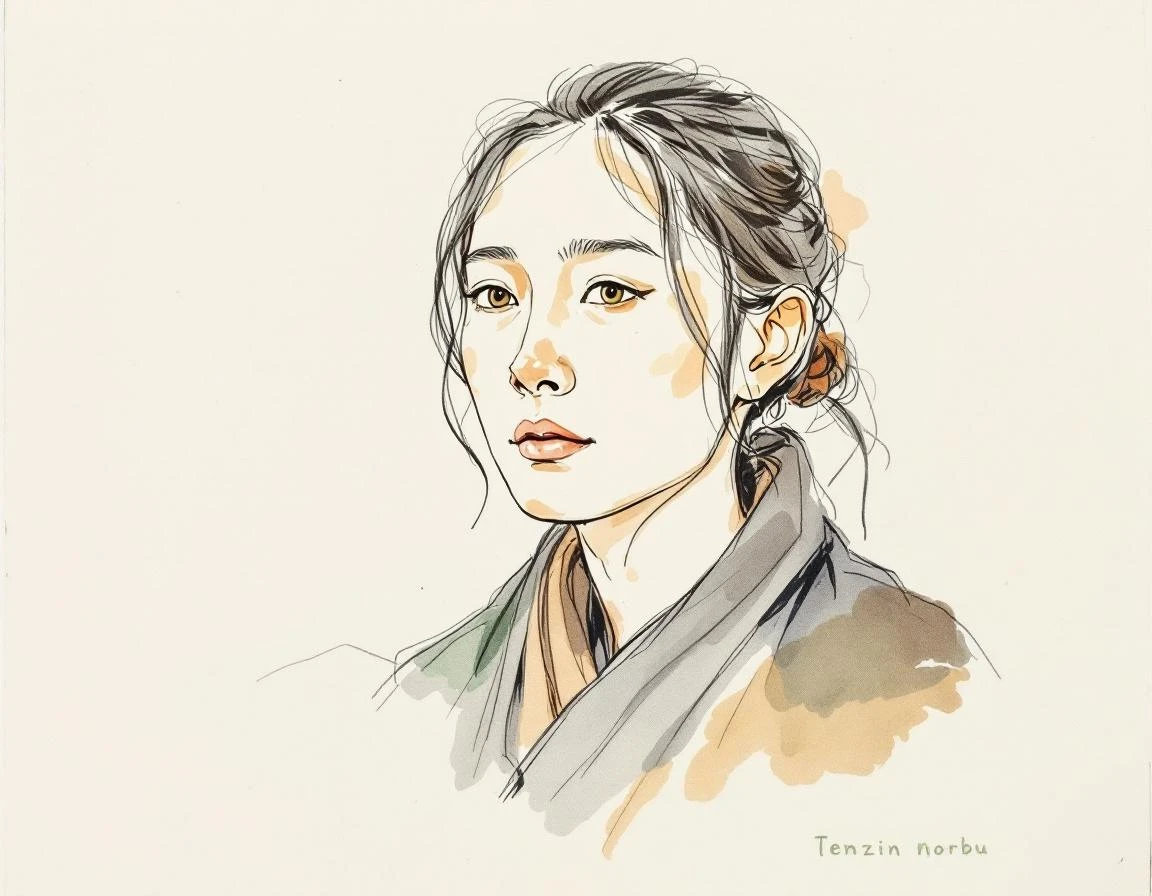


Tibetan Name Generator
Tibetan names are strongly shaped by Buddhism, monastic life, astrology, auspicious meanings, and regional Tibetan language forms. The generator is built for writers who need names that belong to a character, not names that merely announce a place on a map. It treats transliteration, faith, region, migration, and period as working constraints. Many personal names are compounds chosen by lamas or families, and they may not use hereditary surnames in the familiar Western way. That means the same candidate can feel right in one scene and wrong in another. A household, monastery record, village ceremony, government document, and diaspora school register all ask different things from a name. The page below keeps those differences visible so the choice stays specific.
Community, Family, and Register
A Tibetan name should carry religious and regional context without inventing sacred meaning. Start with the social frame. Decide whether the character is being named by parents, a lama, officials, relatives, or outsiders. Those situations produce different forms. A formal name may carry Buddhist vocabulary or monastic prestige, while a household name may be shorter, warmer, or harder to translate. For Tibetan names, the family setting matters as much as the individual. Region, monastery connection, astrology, family usage, exile or diaspora paperwork, and the absence of a Western-style surname can all shape the final form. Before keeping a result, ask what the character would write on a school form and what an older relative would actually call them. If those answers differ, the difference can become useful story texture.
Sound and Spelling Choices
Read the candidates aloud before you attach them to a protagonist. Tibetan names may depend on Tibetan script, Wylie transliteration, phonetic English spellings, and government spellings that do not always match family pronunciation. Dropping those distinctions can be acceptable for a travel document or an English-language edition, but it changes the feel of the name. Choose one spelling policy for the draft. If the story moves through monastery records, government documents, school rosters, refugee files, passports, or English-language diaspora paperwork, a character may have more than one recorded version. That is often how names move through real institutions. Keep variants consistent, and avoid inventing meanings for syllables just because they look suggestive.
History without Invented Etymology
Tibetan names can carry history without turning the character into a lesson. Look for the layer that actually belongs to the scene: Buddhist practice, monastic naming, regional identity, astrology, exile, diaspora paperwork, language revival, or a family trying to hold onto an older form. A historical setting needs older registers and naming law; a contemporary setting needs phones, passports, school rosters, and people switching languages mid-conversation. Respectful use means being precise about community. Broad labels can hide real differences. If the page says Tibetan, the name still may need a region, faith community, monastery link, script, transliteration system, or century. When you are naming a real-world culture, do not use sacred names, trauma-linked names, or politically loaded forms as decoration. If the name belongs to a living community you do not know well, verify it against people, records, and pronunciation guides before publication.
Using the Names in Fiction
For genre work, let the name do one clear job. In literary fiction, it may place a character in a family network. In historical fiction, it may mark law, class, and period. In fantasy, it can anchor an invented place by borrowing only the naming logic, not a random surface sound. In romance or mystery, it has to be memorable without sounding staged. Build a shortlist of four or five names, then test each in three sentences: a neutral introduction, a line of dialogue, and a moment of pressure. A name that looks elegant in isolation may collapse when another character shouts it, abbreviates it, or mispronounces it. Keep the candidate that gives you the clearest next scene. That is the practical test: the name should make characterization easier instead of giving the writer another paragraph to explain.
Tibetan Final Selection Notes
Tibetan names are strongly shaped by Buddhism, monastic life, astrology, auspicious meanings, and regional Tibetan language forms. The last pass should be plain and practical: put the chosen name beside the character's age, location, family speech, and public identity. If any one of those details fights the name, either revise the biography or choose another candidate. A name that needs constant defense is usually the wrong one for a main character.
Read It against the Household
Household use is the quickest way to find a false note. Many personal names are compounds chosen by lamas or families, and they may not use hereditary surnames in the familiar Western way. Ask who chose the name, who dislikes it, who shortens it, and who insists on the formal version. In many cultures, the public form and the intimate form are both real. A draft that recognizes that split can show family rank, affection, distance, grief, or migration without stopping to lecture the reader.
Read It against the Archive
Documents create their own pressure. A Tibetan name may appear differently in a monastery record, government document, school roster, refugee file, passport, diaspora form, or modern app field. Choose which version the reader sees and keep it consistent. When the story uses a variant, make the reason visible through context rather than a glossary.
Read It against the Genre
The final choice should help the genre do its work. Historical fiction needs a period-aware form; contemporary fiction needs a name that can move through ordinary bureaucracy; fantasy can borrow naming logic while making the invented setting responsible for its own culture. A Tibetan name should carry religious and regional context without inventing sacred meaning. If the name gives the next scene a clearer voice, it is earning its place. A monastic name and a government document may preserve different parts of identity. For Tibetan specifically, monastery naming, astrology, honorifics, family usage, and transliteration systems need clear boundaries.