
Tahitian Name Generator
Tahitian names tend to be built from the same elements that shaped the language itself: the ocean, the wind, the names of ancestors, the particular light of a particular time of day. They are not decorative. They carry meaning the way a genealogy carries meaning. The generator draws from traditional naming patterns, including words for sea states, celestial navigation markers, and flora specific to the Society Islands, rather than invented syllable combinations that merely sound Polynesian.
Natural Connections
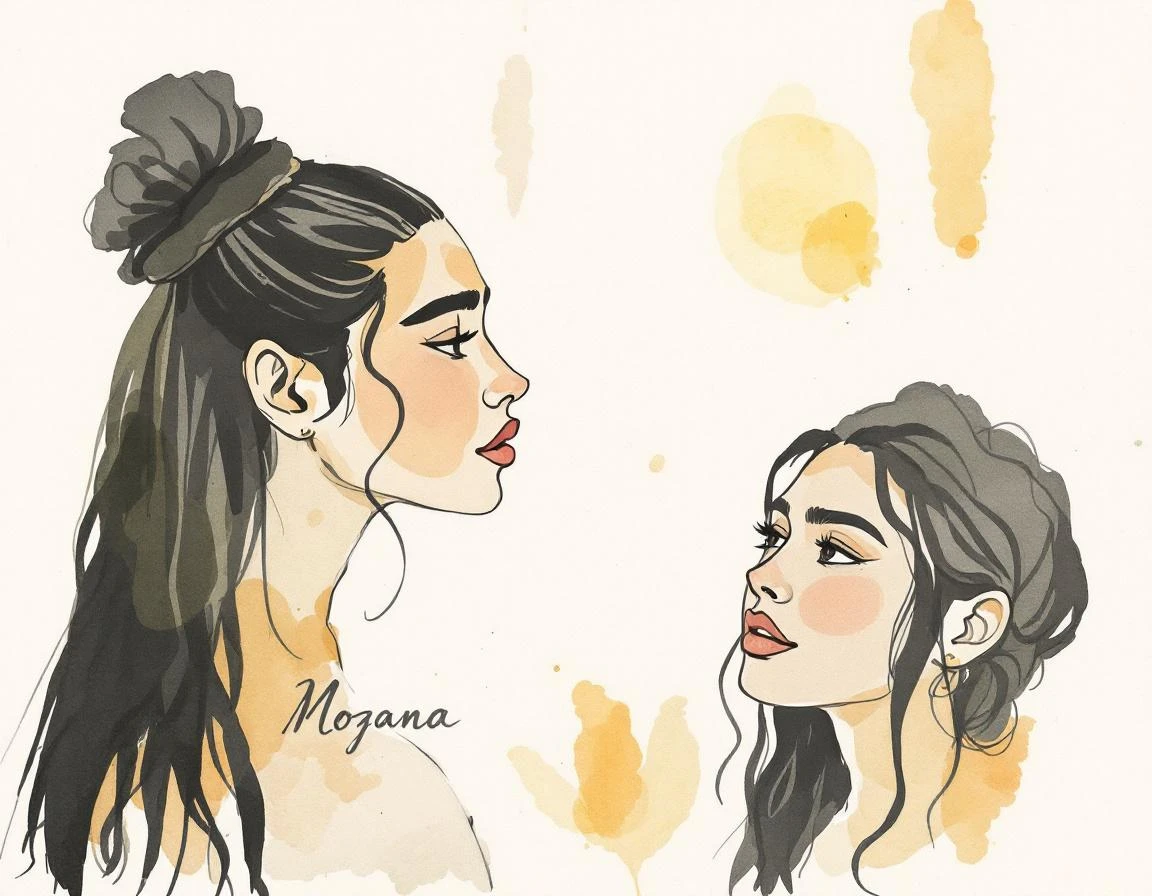
Tahitian names are often rooted in the island environment: the ocean, the sky, the stars, specific plants and animals that structured daily life. Early European ethnographers noted how frequently names referenced the sea, celestial bodies, and weather, a record of the maritime culture that made long-range Pacific navigation possible. Names like Moana (ocean), Hina (moon), and Marama (moonlight) locate their bearers within that world rather than apart from it. Traditional naming ceremonies reinforced this. A child receiving a sea-connected name might be named near the water; one receiving a celestial name, under open sky. The correspondence was literal, not decorative. What results is something closer to a lived cosmology than a naming convention. Personal identity and natural environment were understood as continuous, which carried obligations as well as belonging. That framework shaped how Tahitians related to the land and water around them for generations. Among younger Tahitians today, nature-connected names are seeing a modest revival. The reasons are practical as much as symbolic: traditional ecological knowledge tends to travel with the language and the names that carry it.
Spiritual Significance
Tahitian names before European contact were grounded in *mana*, the spiritual force that ran through deities, ancestors, and the natural world alike. A child might be named to honor Ta'aroa, the creator, or Oro, god of war, establishing a connection meant to carry protective weight throughout a life. Dreams mattered. A family member might receive the name in a vision, or a spiritual leader might read it in the circumstances of birth: a sudden storm, an unusual bird, a particular alignment of stars. These were not coincidences but signals, and the name became a personal mythology linking one life to family and place. Some names were deliberately deflective, chosen to confuse harmful spirits or draw their attention away from a vulnerable child. The logic was practical within its own cosmology: if something malevolent was looking for a specific person, give that person a name that doesn't match. Missionary records from the eighteenth and nineteenth centuries document what happened when Christian naming entered this system. Many families didn't abandon one tradition for the other. They worked both: a saint's name for the church register, a traditional name for everything else. The two coexisted, sometimes in the same person, used in different contexts for different purposes. What survives of this tradition is a naming culture where each name carried several kinds of meaning at once: genealogical, spiritual, ecological, protective. A name marked where you stood in relation to your ancestors, your island, and the forces that shaped both.
Contemporary Evolution
Tahitian naming today sits between two systems that don't fully align. Most Tahitians carry a French legal name alongside a traditional Tahitian name used at home and within the community, not as a contradiction, but as a practical response to colonial-era rules that barred indigenous names from official documents. Those rules have largely lifted, yet the habit of keeping two names persists, shaped by decades of moving between what the state recognizes and what the family remembers. Parents choosing names now tend to weigh both registers: does this name work in a French administrative context, and does it carry meaning in Tahitian? Some find names that hold up in both. Others simply prioritize one over the other and accept the friction. The recent resurgence of interest in *reo Māʻohi*, the Tahitian language, has pushed more young parents toward traditional names, including some that had gone unused for a generation or two, recovered through oral history and community research rather than any official record. The choice of name can carry real cultural weight. Picking an indigenous name over a French one, or vice versa, signals something about how a family positions itself relative to Polynesian identity, French administration, and whatever else is pulling at them. That doesn't make every naming decision a political act, but it means the context is always there.
Tahitian Final Selection Notes
Tahitian names need to match the language, period, region, and community that produced them. The last pass should be plain and practical: put the chosen name beside the character's age, location, family speech, and public identity. If any one of those details fights the name, either revise the biography or choose another candidate. A name that needs constant defense is usually the wrong one for a main character.
Read It against the Household
Household use is the quickest way to find a false note. The strongest choices usually come from ordinary naming pressure: family, faith, migration, class, local pronunciation, and the way a name looks in records. Ask who chose the name, who dislikes it, who shortens it, and who insists on the formal version. In many cultures, the public form and the intimate form are both real. A draft that recognizes that split can show family rank, affection, distance, grief, or migration without stopping to lecture the reader.
Read It against the Archive
Documents create their own pressure. A Tahitian name may appear differently in a missionary record, church register, French civil file, school roster, shipping list, passport, local family record, or modern app form. Choose which version the reader sees and keep it consistent. When the story uses a variant, make the reason visible through context rather than a glossary.
Read It against the Genre
The final choice should help the genre do its work. Historical fiction needs a period-aware form; contemporary fiction needs a name that can move through ordinary bureaucracy; fantasy can borrow naming logic while making the invented setting responsible for its own culture. A Tahitian result should feel usable in a scene before it feels impressive in a list. If the name gives the next scene a clearer voice, it is earning its place.