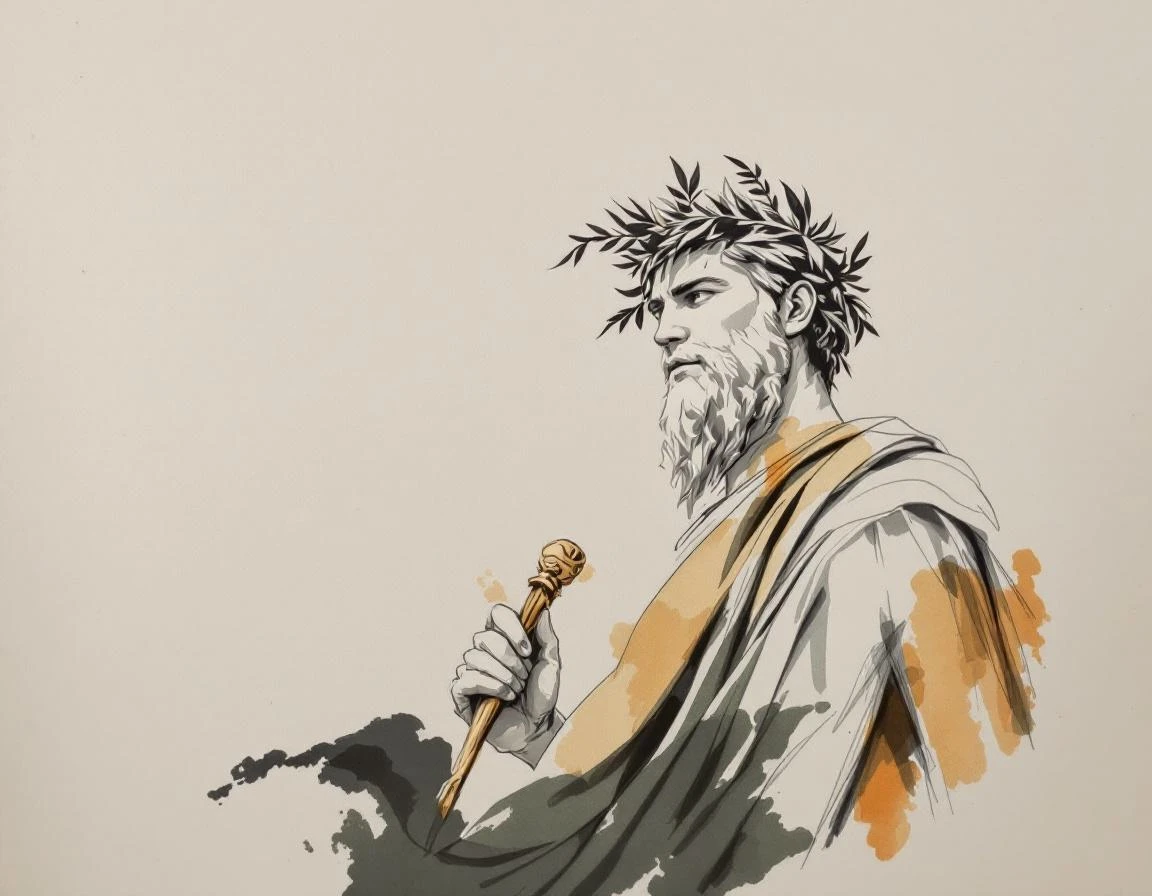


Roman God Names That Know Their Shrine
Roman god names need a tighter brief than "make it sound divine." Start with the tradition's own grammar for sacred beings. In Roman religion and imperial cult, a god can be a public cult figure, a local power tied to a hill or river, a ritual office, an ancestor with offerings, or a literary figure preserved through hostile sources. Those are different jobs. A name for law, boundaries, household gods, war, agriculture, roads, gates, oaths, fortune, and state ritual should tell you which job the character has before the page explains the cosmology. If the name only sounds large, it will flatten the scene. Names often come with offices, epithets, place titles, calendar rites, and legal-sounding functions. Janus, Terminus, and Bonus Eventus show how direct Roman naming can be. That logic matters because invented divine names are easy to overdecorate. Long vowels, hard consonants, and borrowed sacred words can make a result look impressive while saying almost nothing. A stronger Roman god name chooses one pressure: domain, place, lineage, rite, taboo, season, or the name a priest would use when nobody else is allowed to speak the private one. Be careful with category labels. Do not merely rename Greek gods in Latin. Roman religion has its own ritual habits and social grammar. If your setting is fictional, borrow structure before you borrow sacred vocabulary. Build a naming rule, then let the generator give you candidates inside that rule. If the source tradition is still practiced, treat the name like living religious material rather than costume. A practical pass: read each result as a public invocation, a whispered household name, and a hostile chronicler's spelling. A good candidate may shift under those situations. It might need a shorter spoken form, a temple epithet, or a foreign rendering used by outsiders. Keep the version that gives the god limits. Gods with limits are easier to write than gods with adjectives.
Choose the Kind of Divinity Before the Syllables
Roman god material changes depending on whether the deity belongs to a state cult, a village shrine, a household practice, an epic cycle, or a philosophical text. Roman divinity is practical and legalistic: numina, household Lares and Penates, public gods, imported cults, and deified emperors all share the city. The generator works best when you pick that layer first. A storm god worshiped by sailors wants a different name from a storm god in a royal inscription, even if both rule thunder. One name should sound usable by priests; another may sound like a sailor's bargain made in bad weather. Start with who says the name, what they need from the god, and what they would never dare say aloud.
Use Domain Words without Turning Them into Labels
Boundary stone, doorway, household hearth, field furrow, military standard, treaty, road, or civic office are strong anchors. Names that simply translate to "sun god" or "death goddess" usually feel thin. Historical divine names often hide the domain in an image, a tool, an animal, a direction, a color, a kinship term, or a place. For a Roman god, choose one concrete sign and let the name lean on it. A healer might carry a word for cool water, a clean hand, a protective knot, or a plant used in ritual. A war deity might take a shield, a road, a drum, a spear point, or the cry before a charge. The result should let readers infer the portfolio without handing them a glossary entry.
Respect the Names That Already Belong to Worship
Ancient Roman religion is historical, but modern Roman polytheists also use these names. Do not lightly rename a central god and pretend the result is neutral. If you use attested sacred names, know whether they are mythic, liturgical, scholarly, colonial, or modern popular spellings. Fiction can invent beside a tradition without grabbing its holiest terms. A useful rule is to keep canonical names for reference, then build original names from safer edges: epithets, place forms, translated motifs, or invented compounds that follow the same sound habits without copying a living prayer.
Watch the Writing System and Outside Spellings
Latin forms, later church Latin, and English pronunciations create different textures. Transliteration is never only typography. A name that reached English through Greek, Latin, Spanish, Sanskrit, Mandarin romanization, missionary records, or museum catalogues may already be several steps from the language that first carried it. Decide which layer your story hears. A temple scribe, a conquered province, and a modern archaeologist may all write the same god differently. That difference can become useful world texture, but only if you choose it on purpose.
Make the Generated Name Survive a Scene
After the generator gives you options, put the favorite into prose before you commit. Write a prayer, a warning, and a line of dialogue where someone is too frightened to be formal. If the name breaks only because it is long, give it an epithet or household short form. If it breaks because it sounds like a museum label, cut it. A household god should feel close enough to receive crumbs and wine, while an imperial cult name should sound public and political. A divine name should feel old enough to have accumulated mistakes: local pronunciations, enemy spellings, affectionate titles, forbidden forms, and a plain spoken version used by people who still have to cook dinner after the rite.
Leave Room for Uncertainty
Roman sources preserve official ritual well but can blur older Italic local practice. That uncertainty is not a flaw. It keeps the page honest. Avoid pretending the generator can reconstruct a lost cult or certify an invented theonym as authentic. It can give you plausible materials and a disciplined shortlist. The writer still has to decide what the name means inside the story, who has authority to speak it, and what kind of trouble follows when someone says the wrong form.
One Last Cut for Article Voice
Before keeping the name, remove anything that sounds like it was chosen to impress the category page. Grand endings, piled-up sacred nouns, and vague oldness usually make the result weaker. Keep the part that does work in a scene: the taboo, the shrine, the river bend, the calendar day, the tool, the wound, the office, the family that still makes offerings. If the name cannot point to one of those, it probably belongs back in the list.